Overview
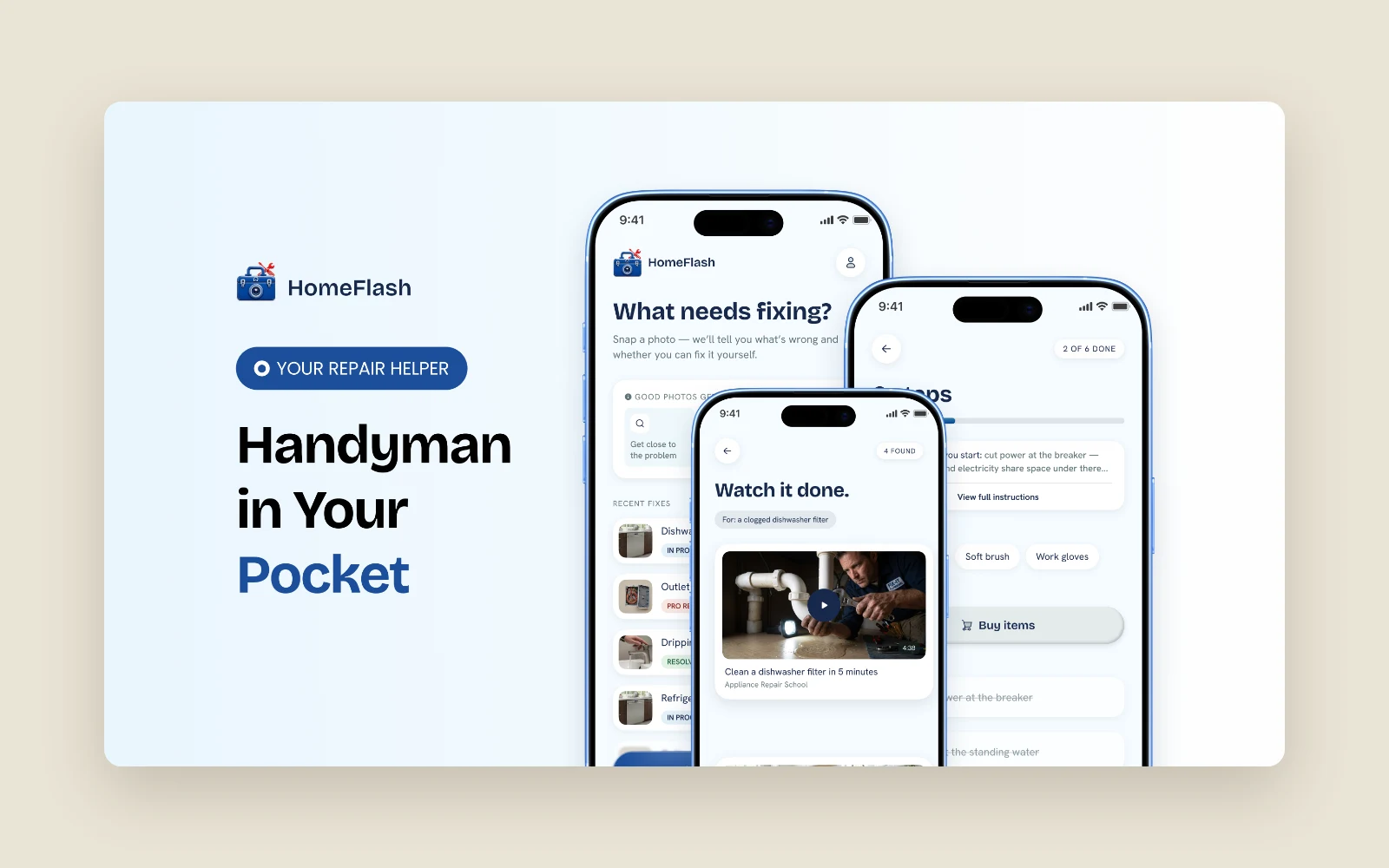
HomeFlash Pro helps homeowners and property managers figure out what to do when something in a home breaks. Users start with a photo, get guidance on the issue and decide whether they can handle the repair themselves or need a professional.
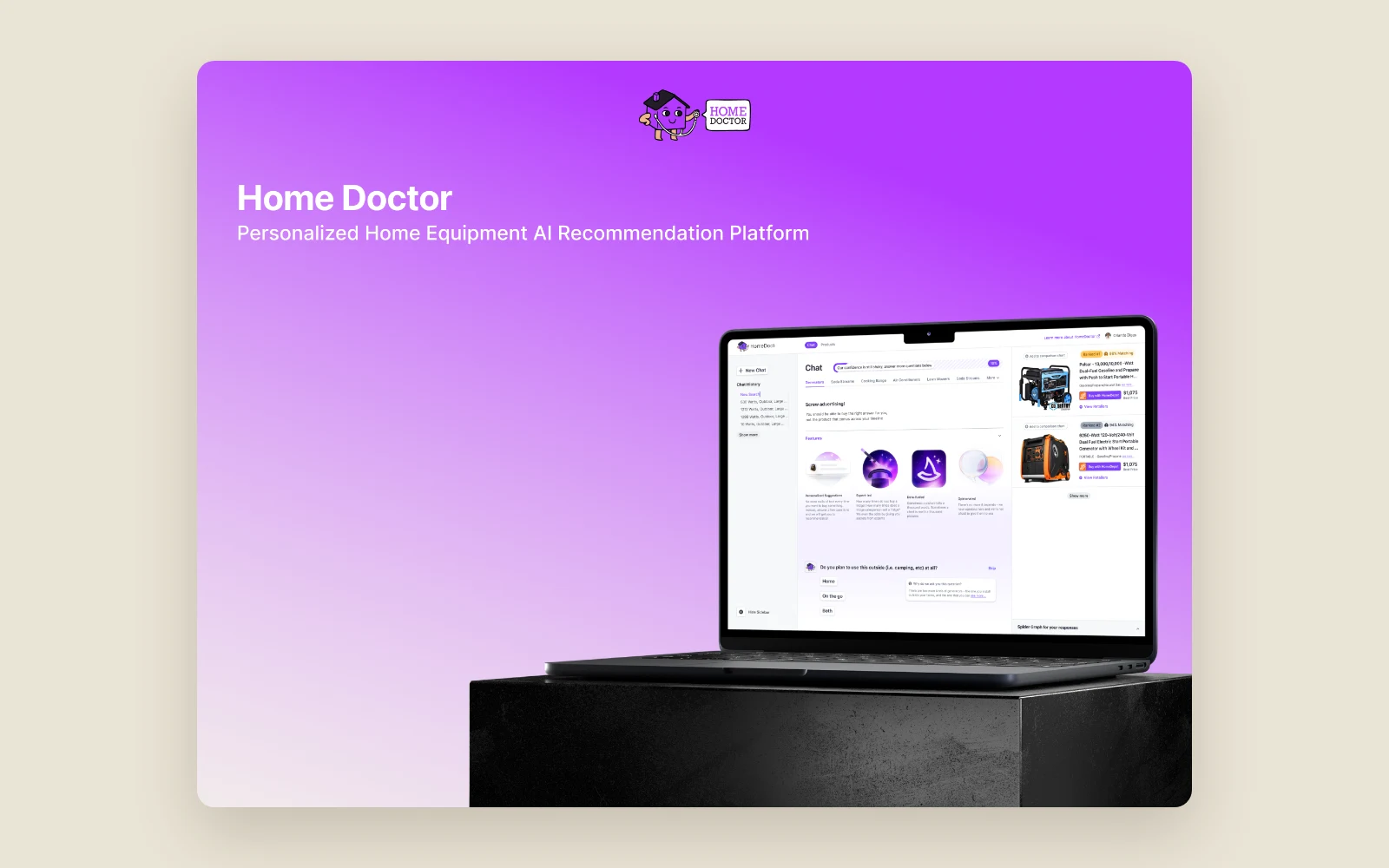
The product started as HomeDoctor, a web app that helped shoppers choose household equipment. Barq took ownership of the existing work, built the HomeFlash Pro mobile app and backend, and later handled the website redesign and on-page SEO.
Professional through and through.
The problem
When founder Will Levier first wanted to build the product, he had two vendors to choose from. Barq was one of them. Will chose the other vendor. Six months later, he came back to Hammad Ali to rebuild the product. HomeDoctor was meant to help shoppers choose household equipment using their answers and product information, without advertising influencing the recommendations. HomeFlash Pro took on home repairs. It needed to start from what a person could show or describe and help them decide what to do next.
The challenge
Turn shopper needs into equipment recommendations
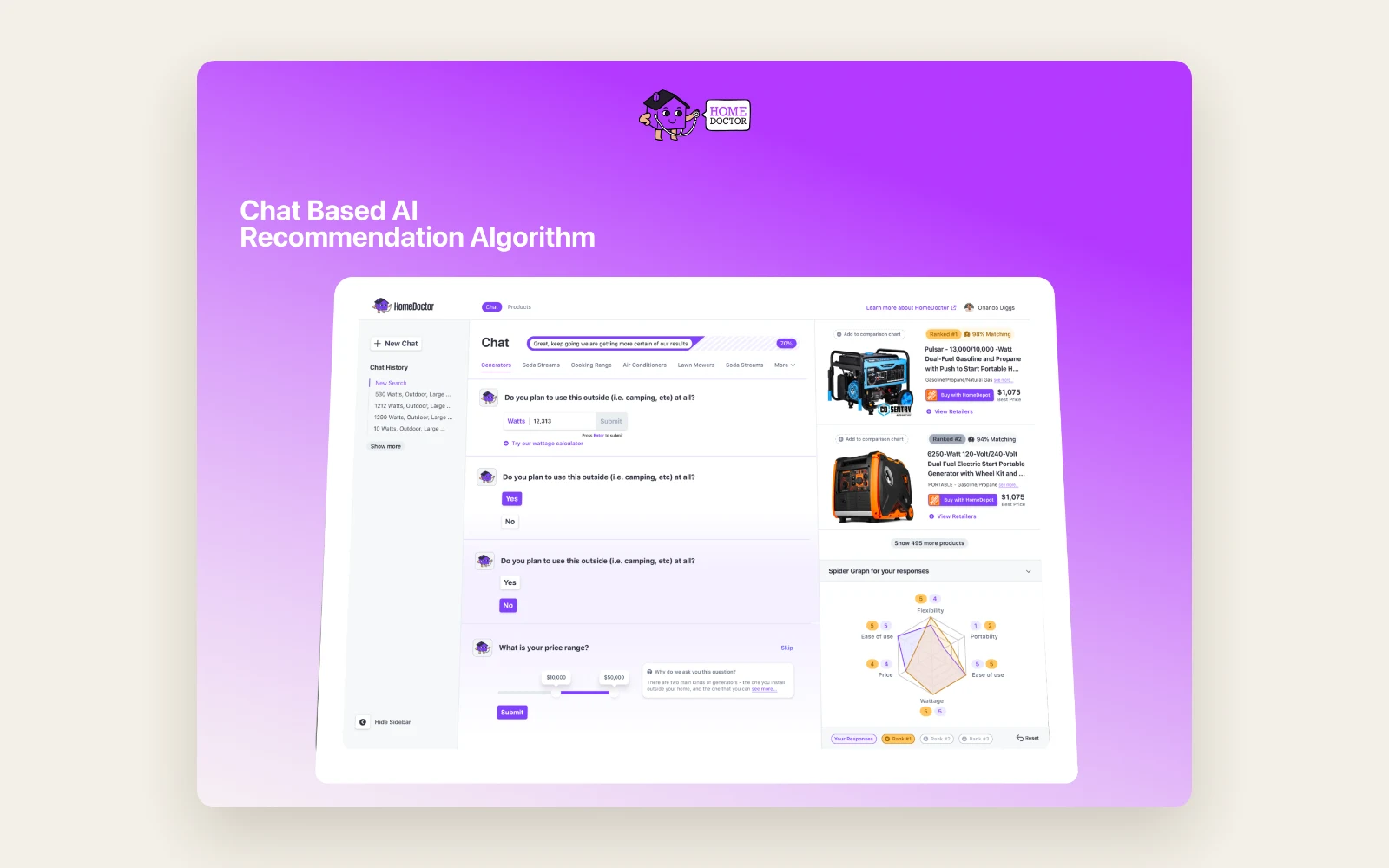
The original web app needed to ask different questions depending on a shopper’s answers. The backend then had to use those answers with available product information to recommend equipment.
Handle incomplete evidence
A photo can show the visible symptom without explaining what caused it. The repair flow needed to ask for missing details and communicate how confident it was in the assessment.
Distinguish DIY tasks from work for a professional
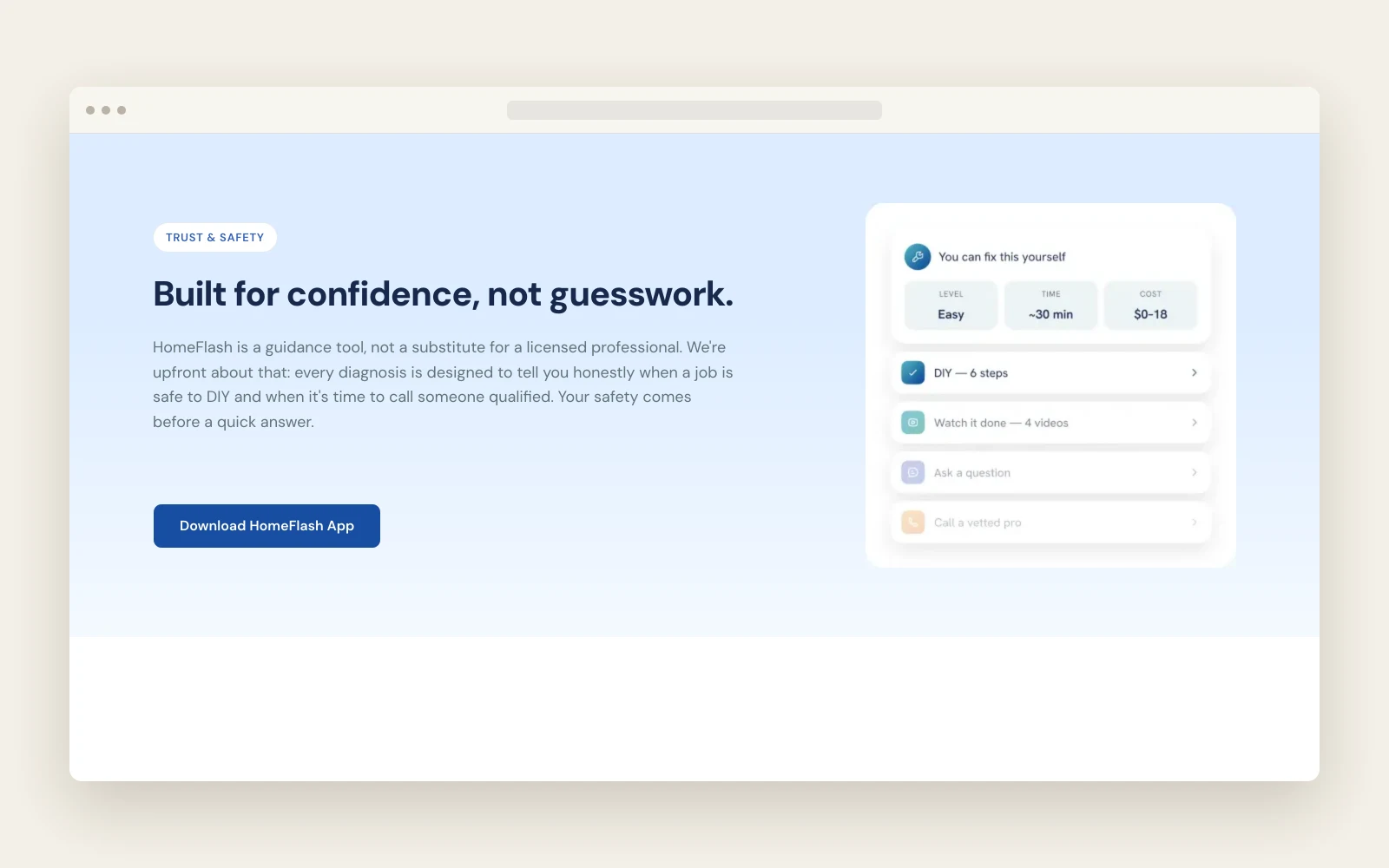
Some issues are too risky for general repair guidance. The product needed a way to flag concerns such as electrical, gas or structural hazards and direct people toward professional help.
How we approached it
Take over the recommendation product
Barq took ownership of what the first vendor had built and improved it. The team led development of HomeDoctor’s web interface and APIs, built the questionnaire and recommendation logic, and collected product information through web scraping.
Build the mobile repair experience
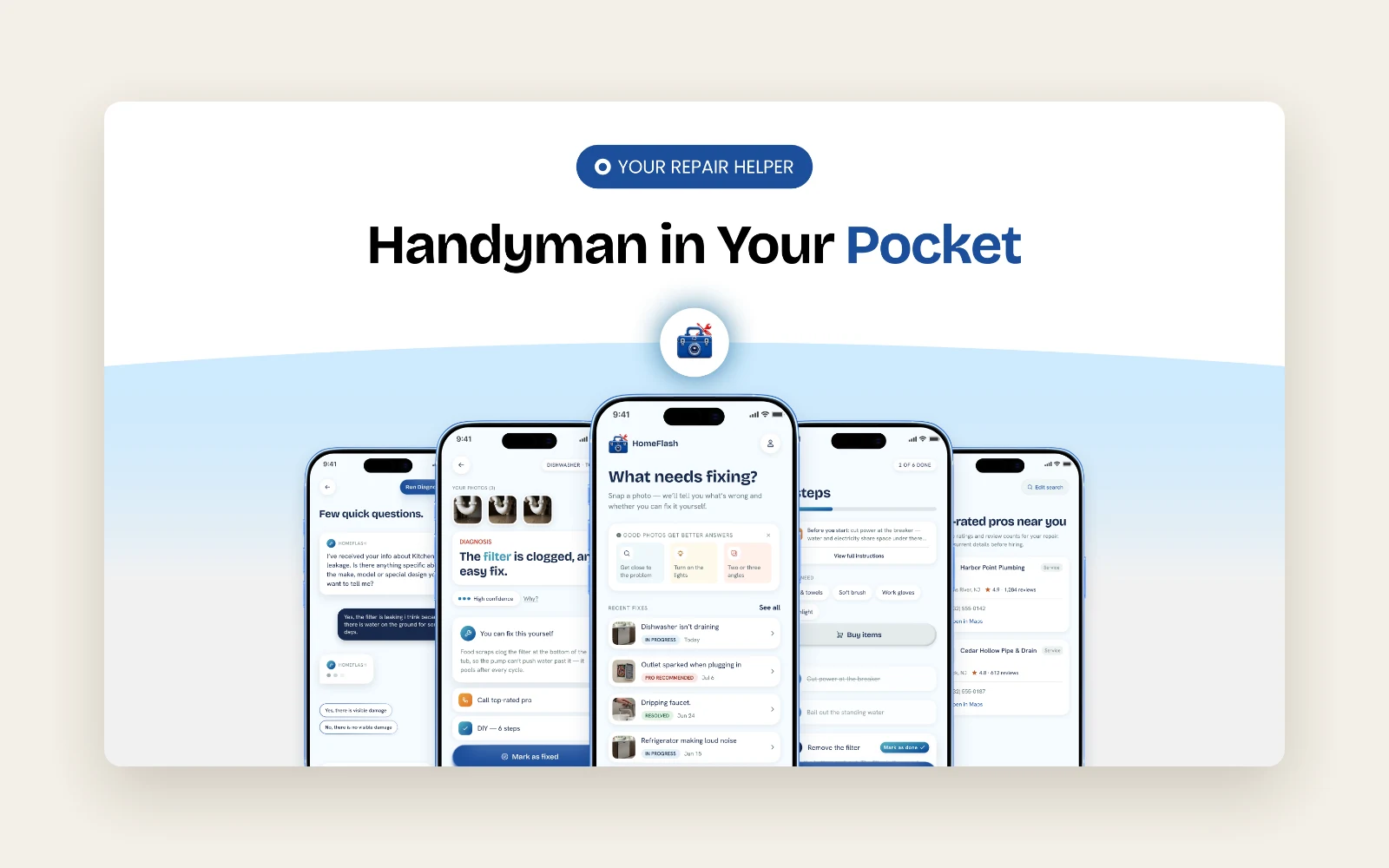
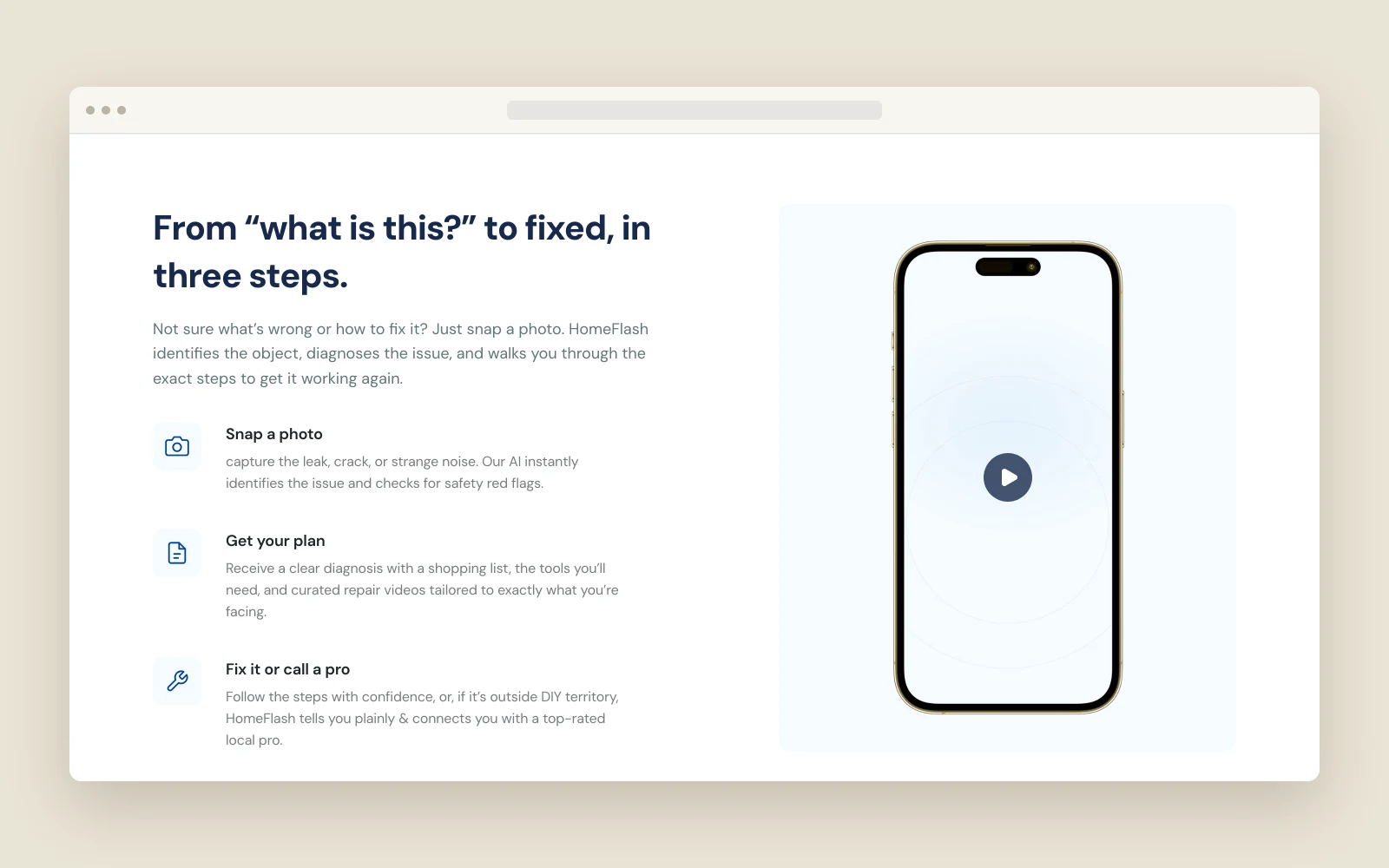
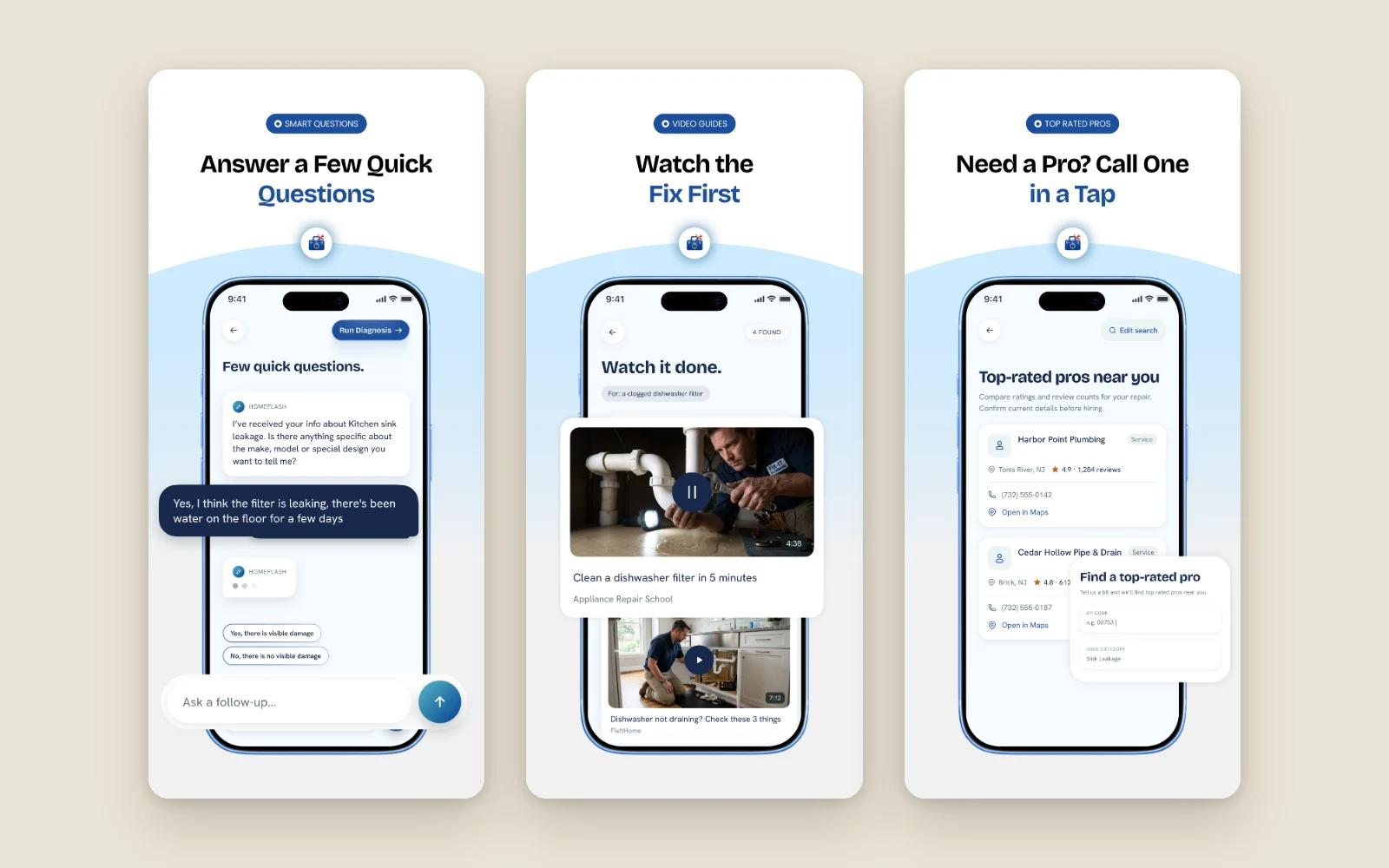
As the product shifted to HomeFlash Pro, Barq built the app and its backend. This version organizes the experience around the reported problem, from the initial photo and follow-up questions through repair guidance.
Redesign the public website
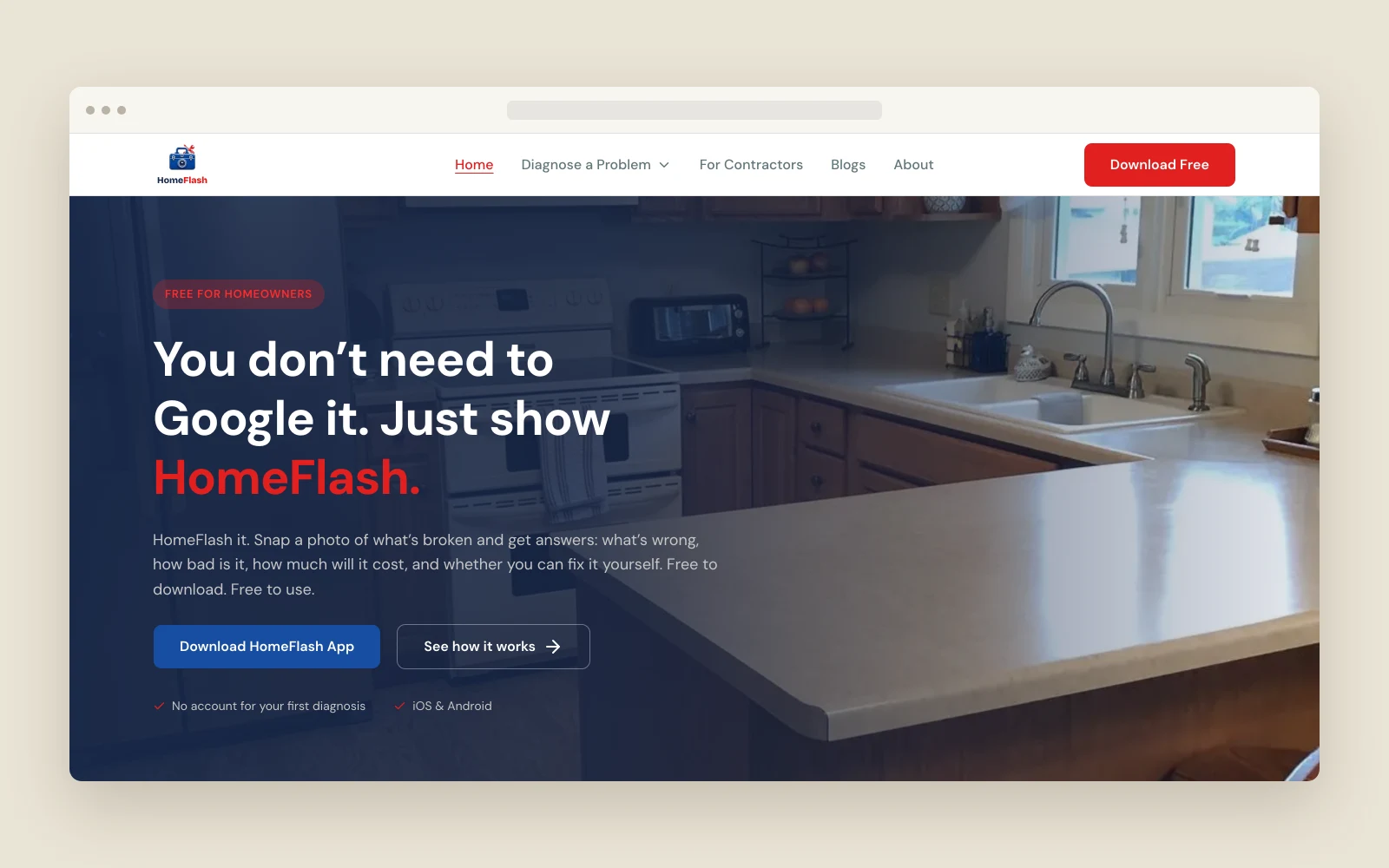
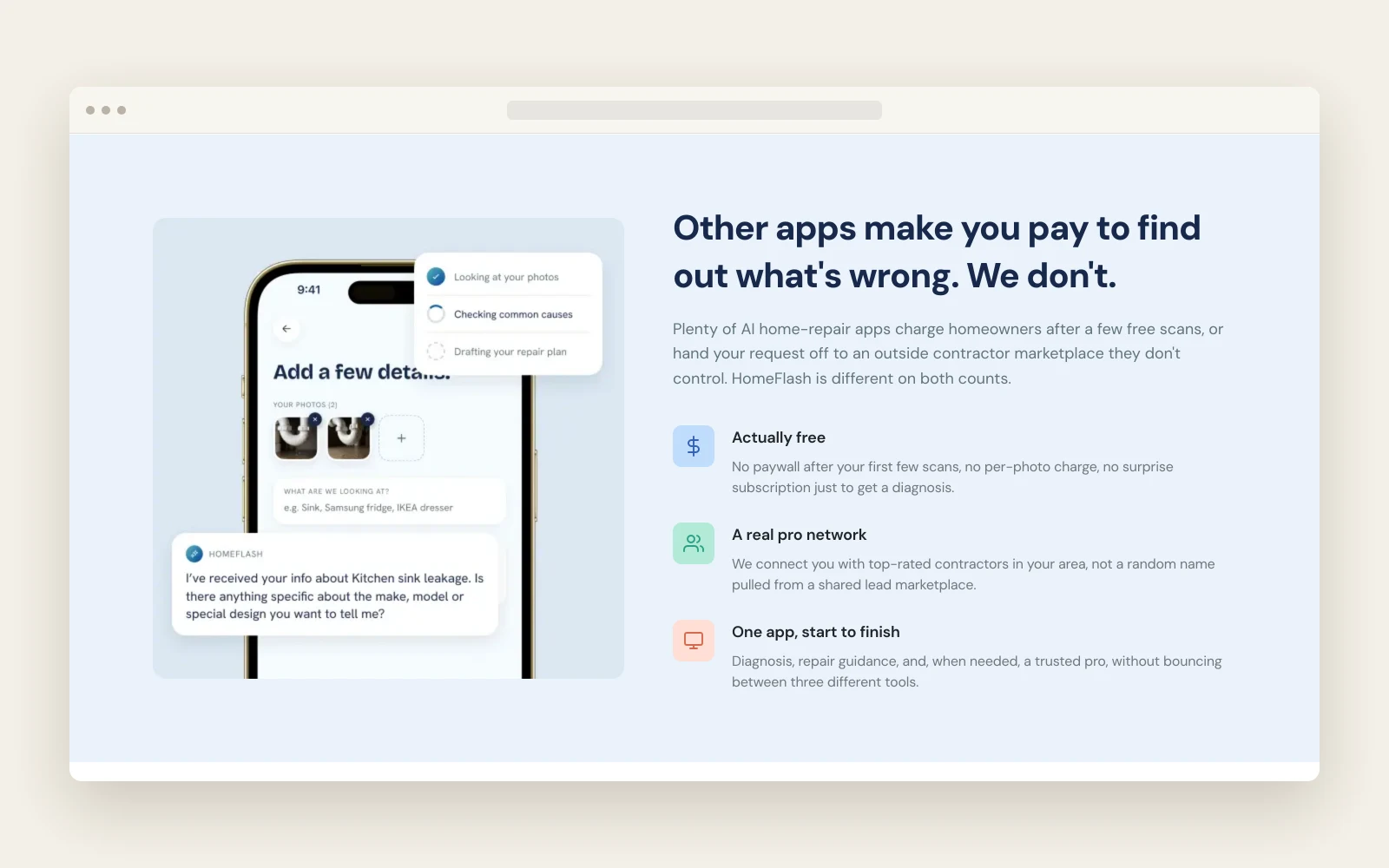
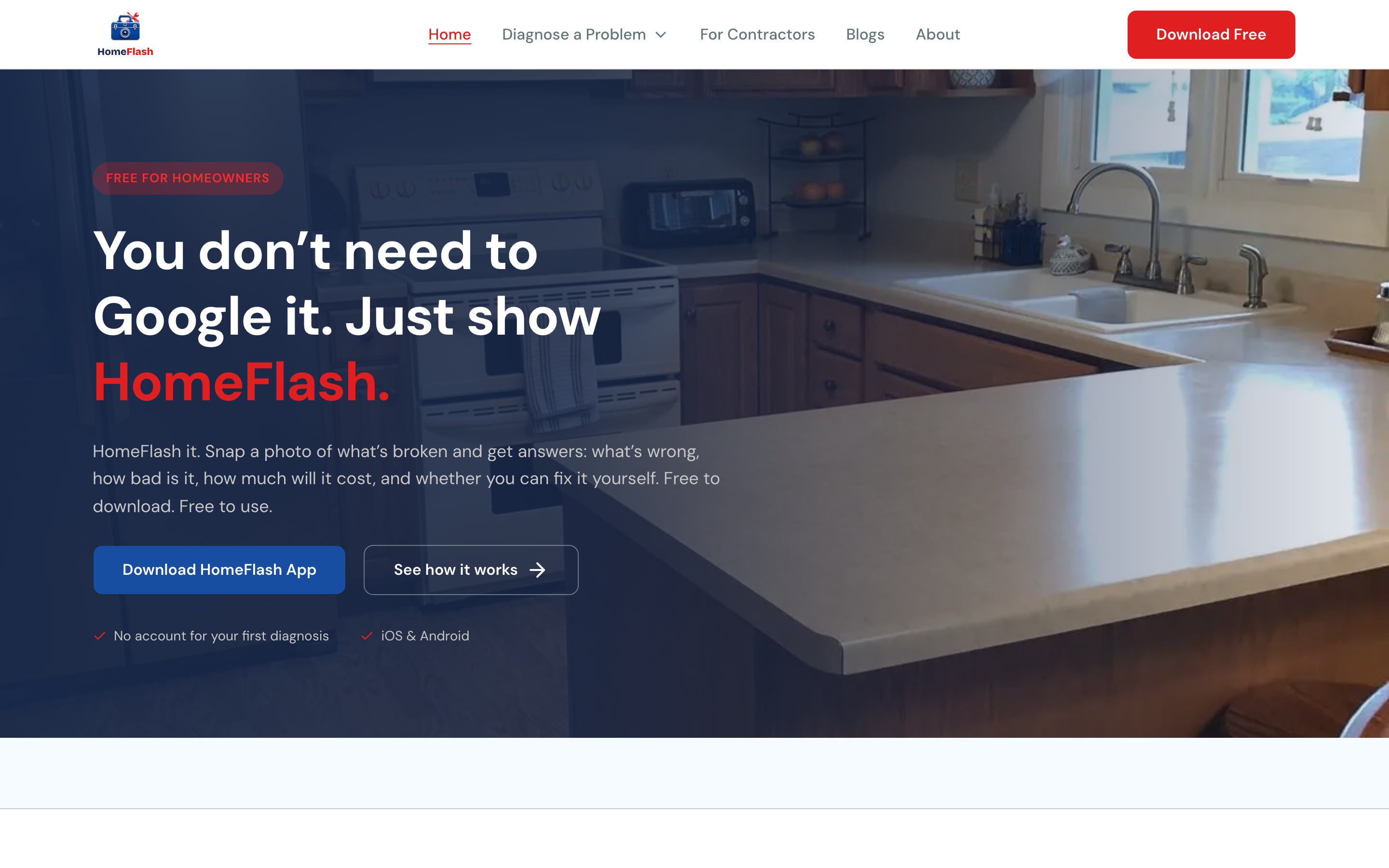
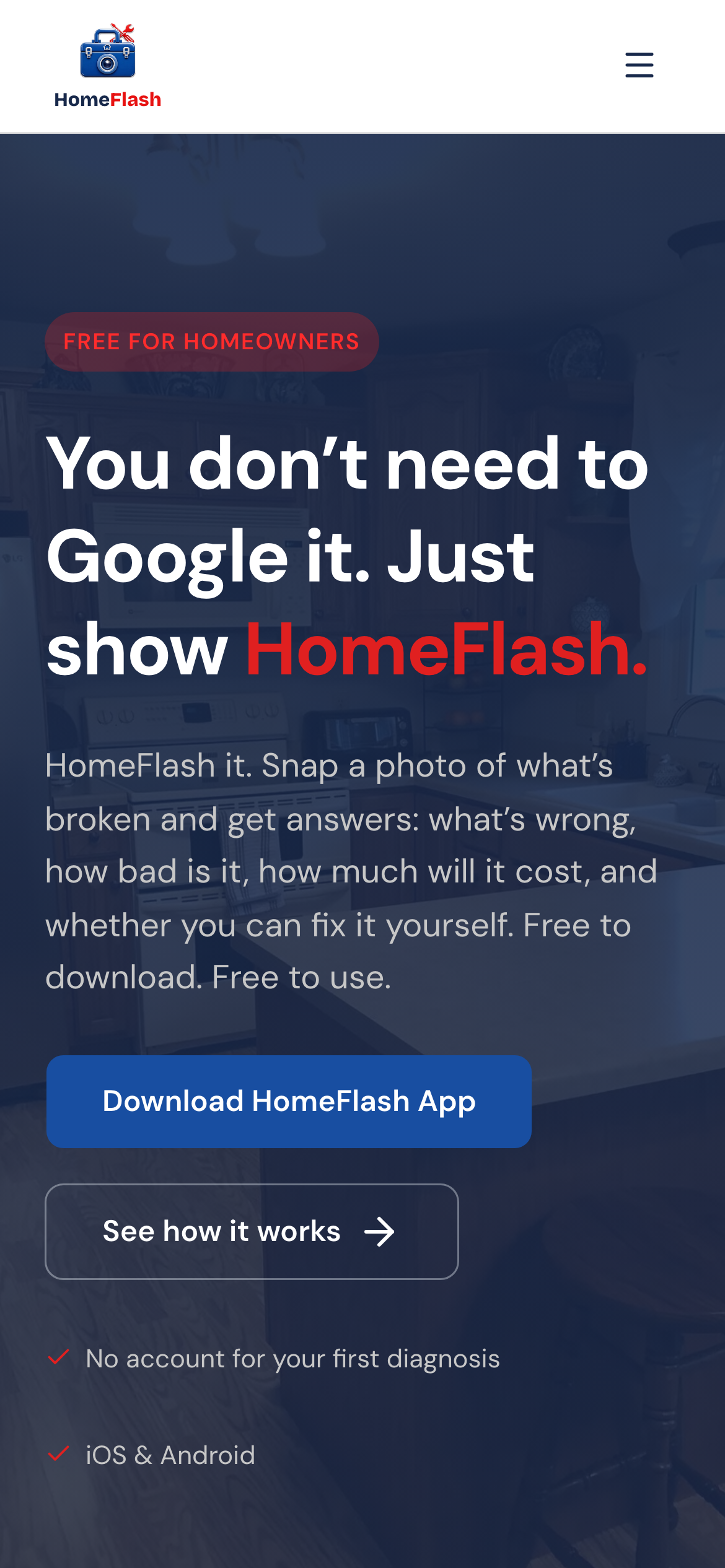
Barq took over the WordPress redesign and on-page SEO from a previous team. The site explains the photo-to-plan workflow, shows examples of common repairs and directs visitors to the app.
What we built
Equipment questionnaire and recommendations
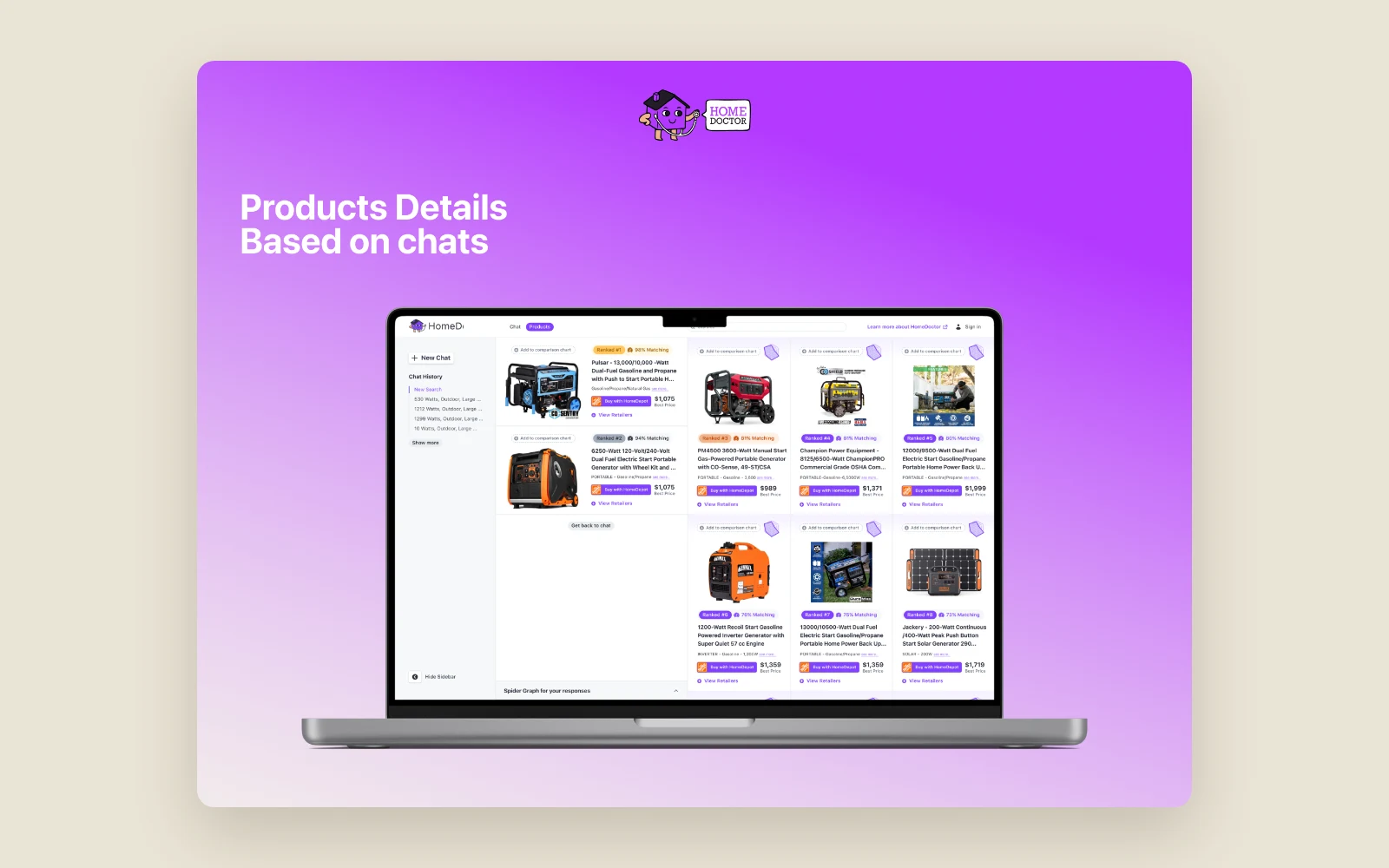
HomeDoctor asked shoppers about their needs and adapted its questions to their answers. Its backend combined those responses with product information to recommend equipment.
HomeDoctor chat and accounts
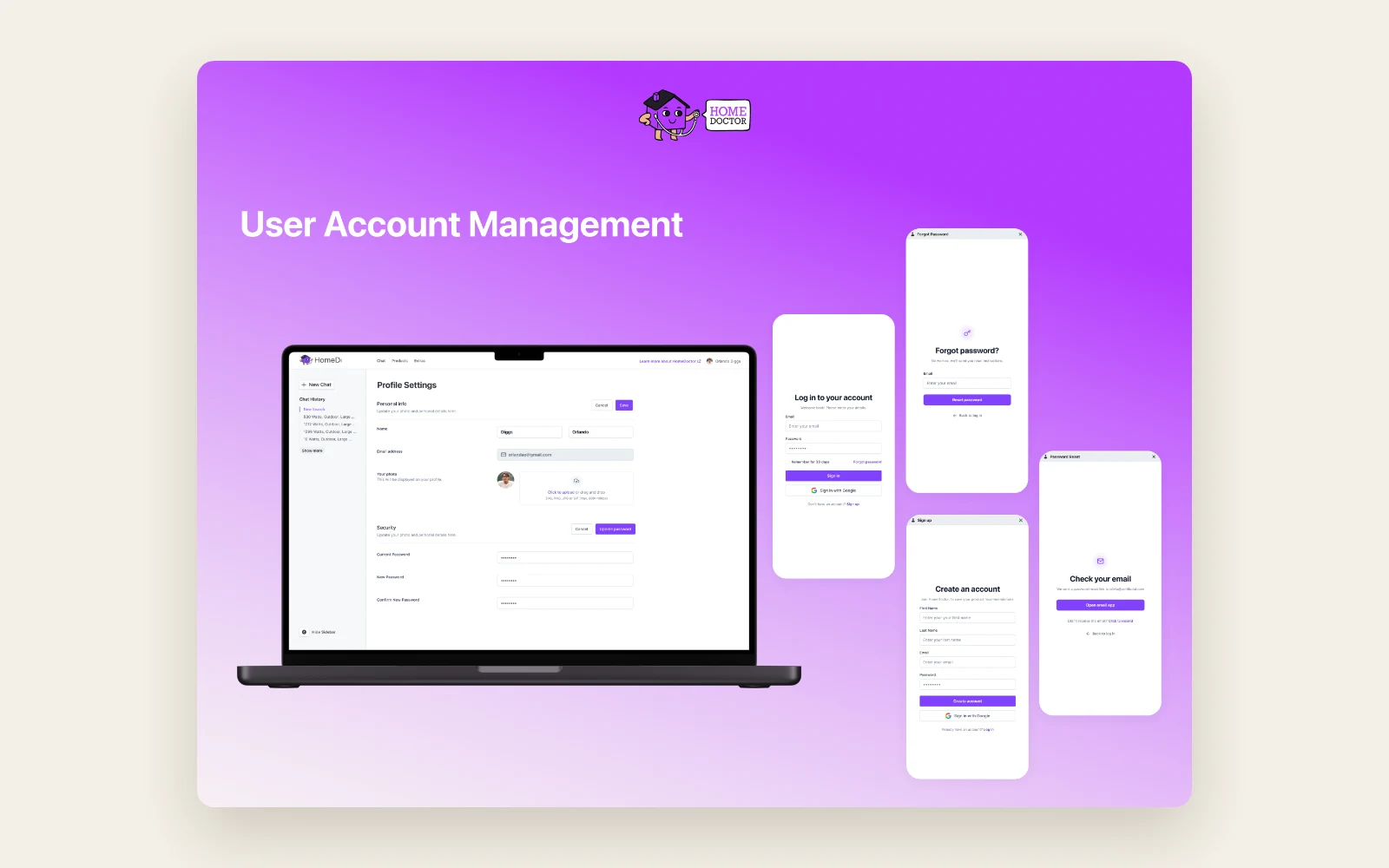
The web app included interactive chat through DocsBot AI. Barq also built sign-in, password recovery and account profiles.
Photo-based troubleshooting
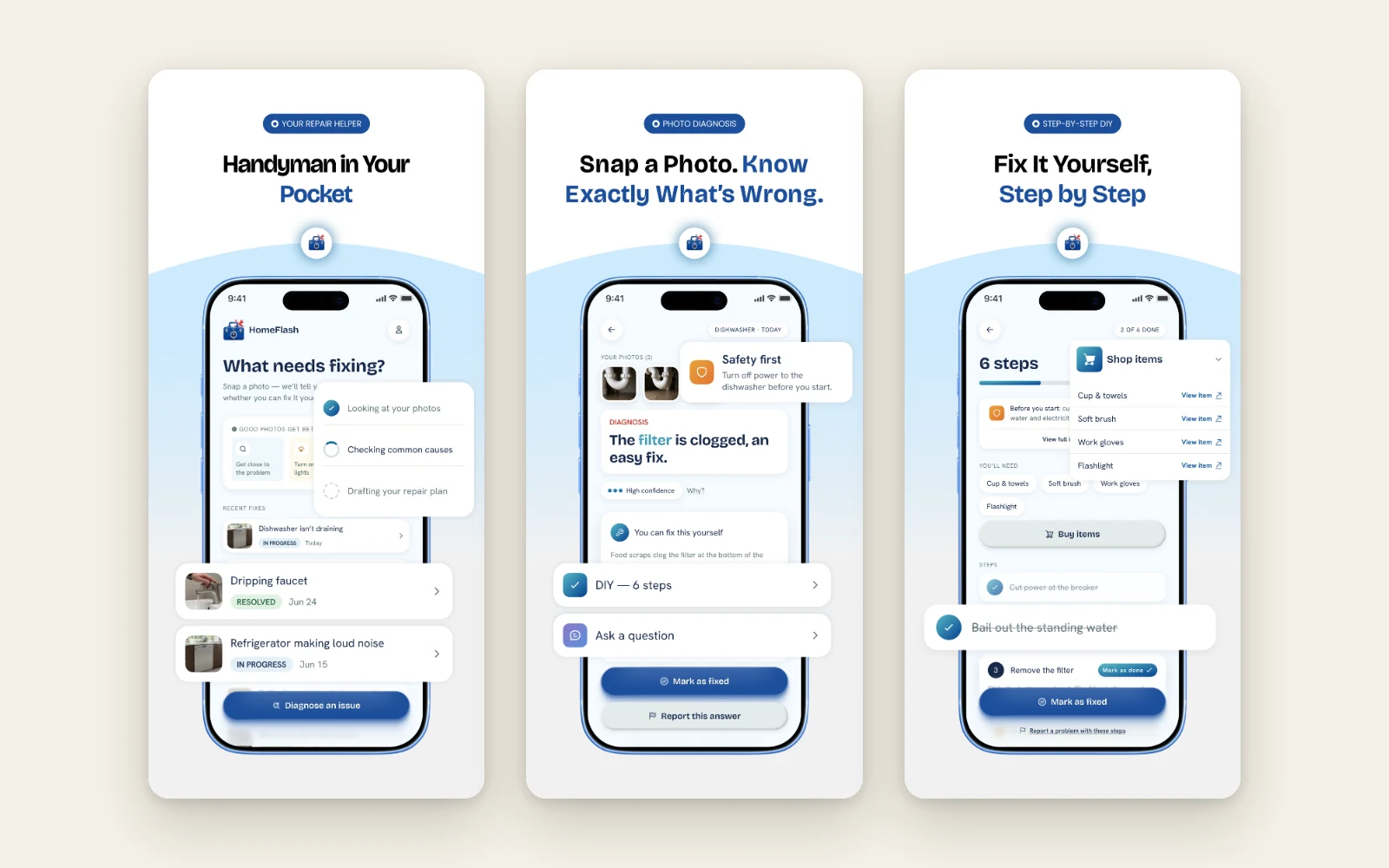
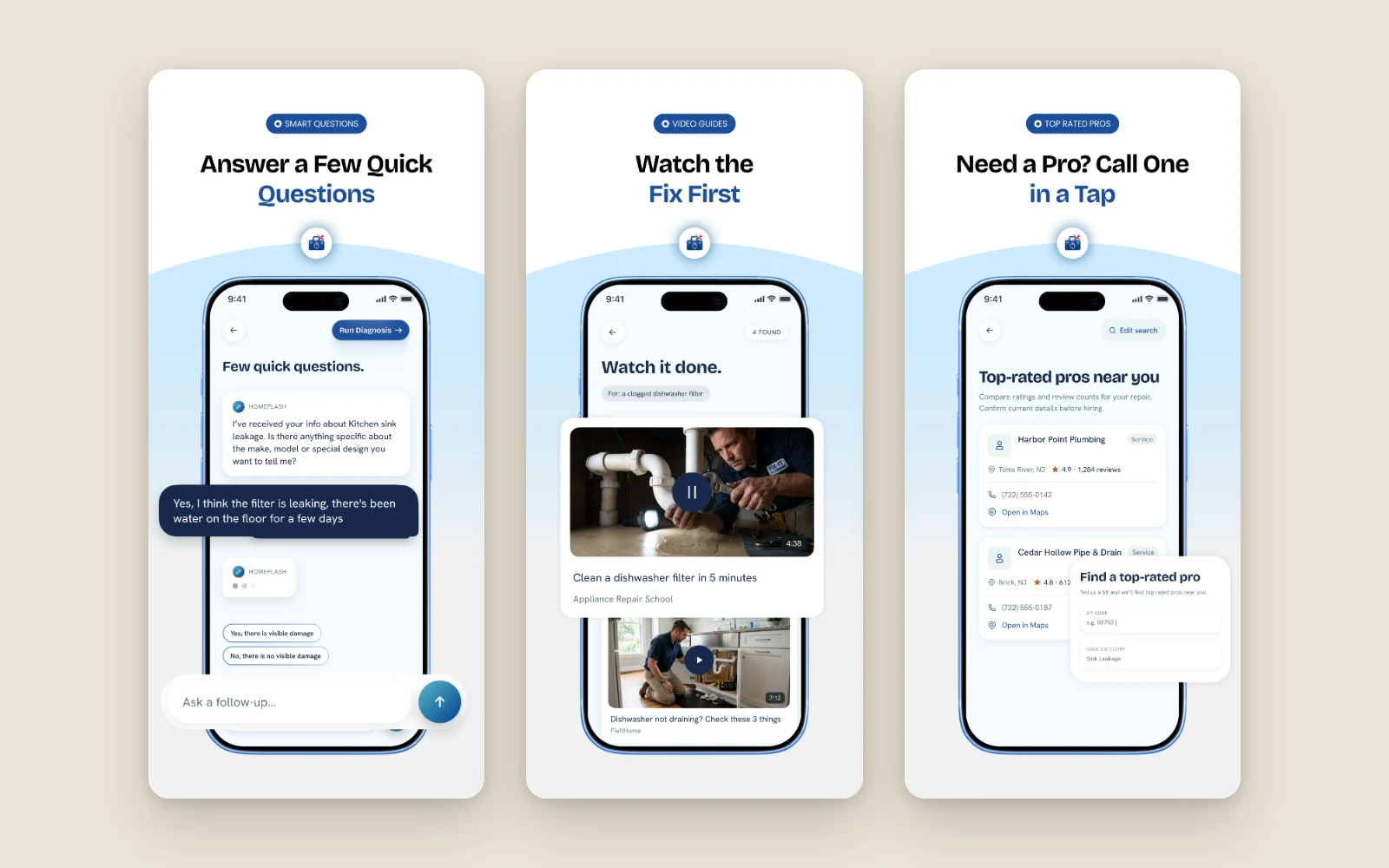
HomeFlash Pro uses a photo to start assessing what’s wrong. It asks follow-up questions for missing information and shows a confidence rating with the assessment.
Repair plans and supplies
The app brings together repair steps, a list of materials and tools, and selected videos. The homeowner can review what the work involves before getting started.
Safety flags and professional help
The repair flow flags issues that may be unsafe to handle yourself. The product site describes a route to local contractors when the work calls for a professional.
Product website
The redesigned site explains what the app does, demonstrates the repair flow and offers download options. It also has guidance pages for common problems such as running toilets and clogged drains.
Where AI fits
HomeDoctor used AI to recommend equipment from a shopper’s answers and DocsBot AI for chat. HomeFlash Pro uses AI to interpret photos for troubleshooting, ask for more information and report confidence. The repair workflow pairs that assessment with next steps, including guidance to call a professional when the issue presents a safety concern.
Results
- HomeFlash Pro is deployed. Barq is now working on marketing strategies and scaling the product.
- The repair product gives homeowners and property managers a way to go from a photo of a problem to repair guidance or a route to professional help.
- Barq completed the website redesign and on-page SEO. The client gave that engagement a 5.0 Upwork review.
Under the hood
HomeDoctor used Django REST Framework and PostgreSQL for the recommendation backend and Next.js for the web app. Selenium helped collect the product information the recommendations used. The later website redesign used WordPress.
Tech stack
- Django REST Framework
- PostgreSQL
- Selenium
- Next.js
- DocsBot AI
- WordPress