Overview
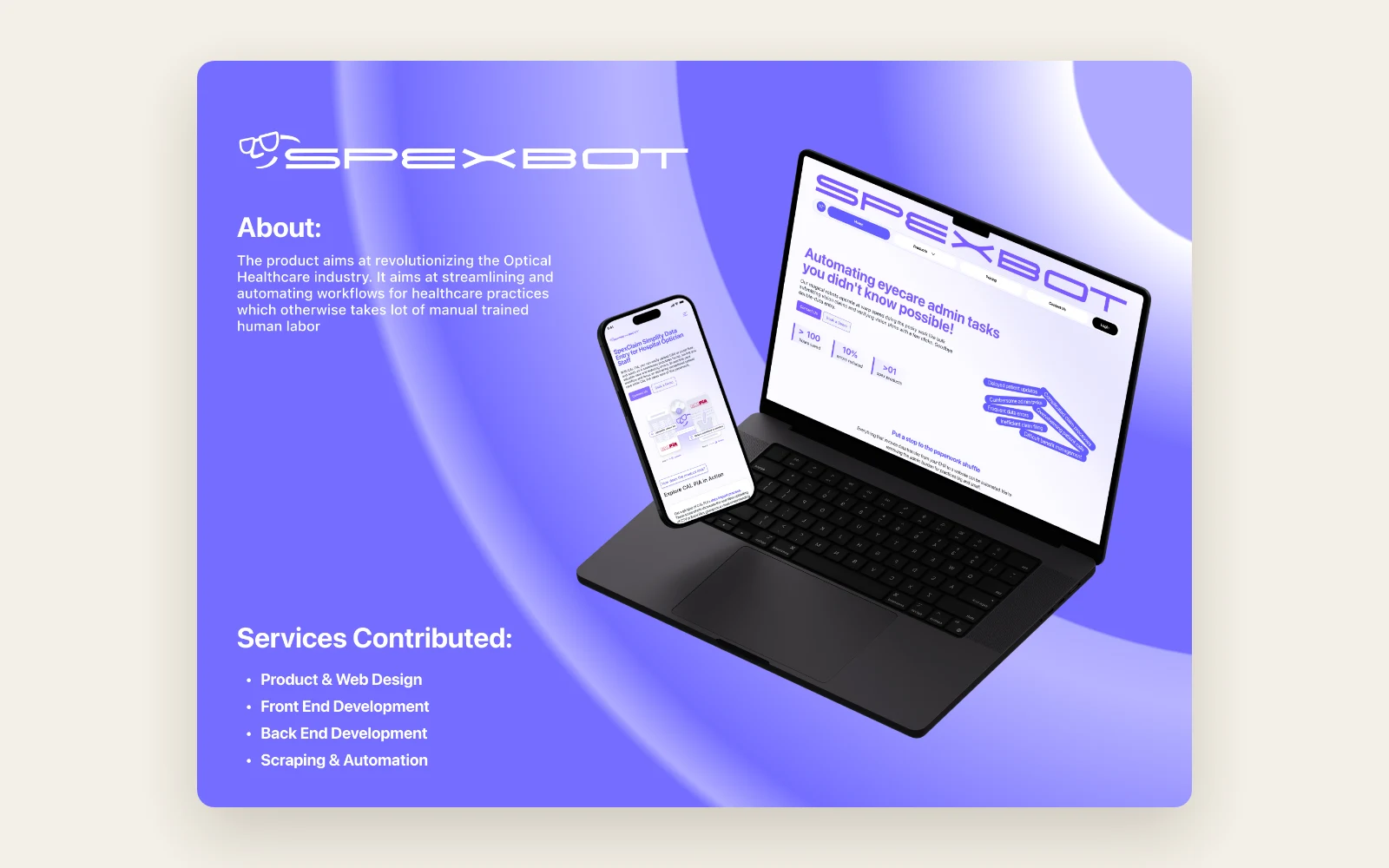
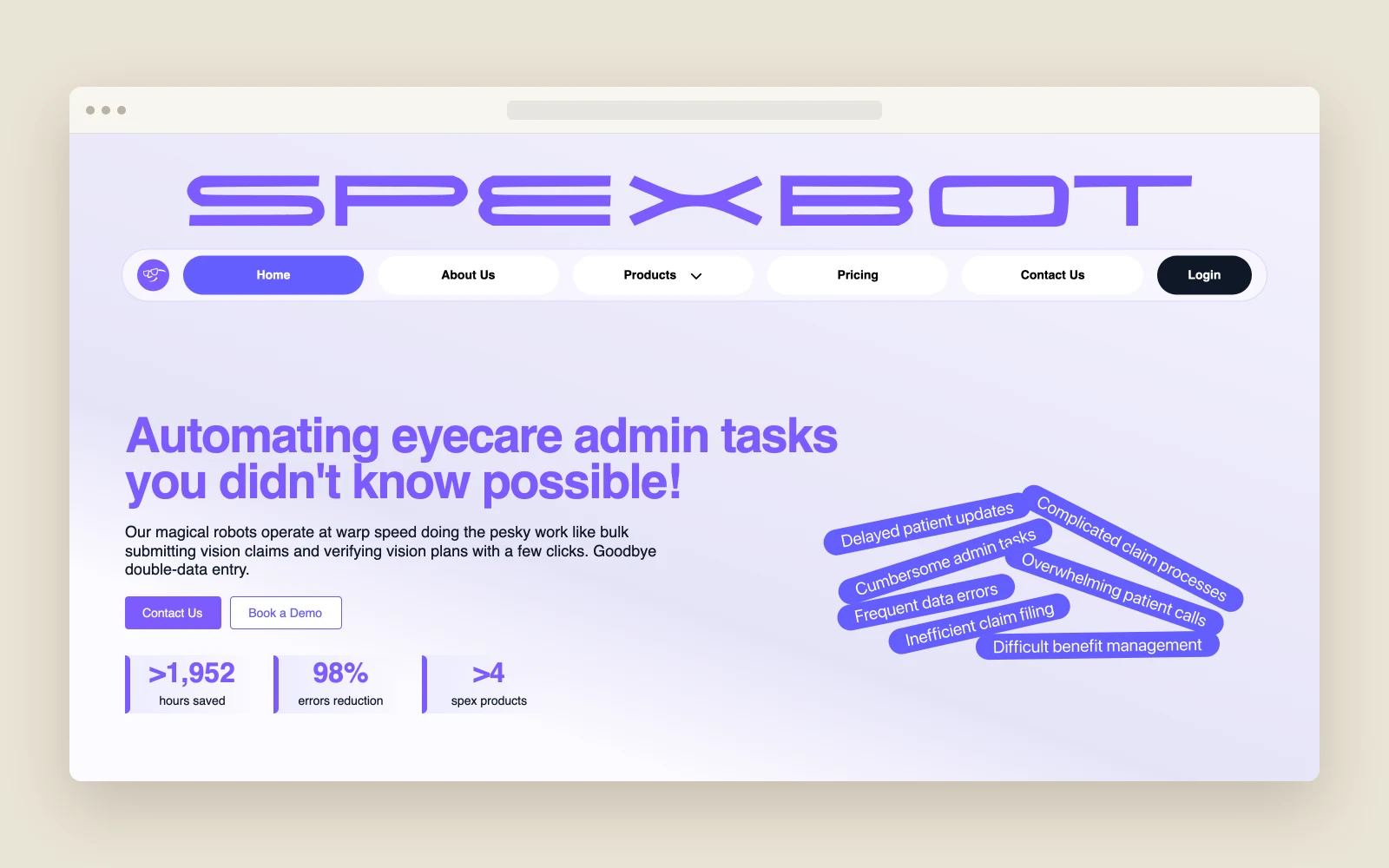
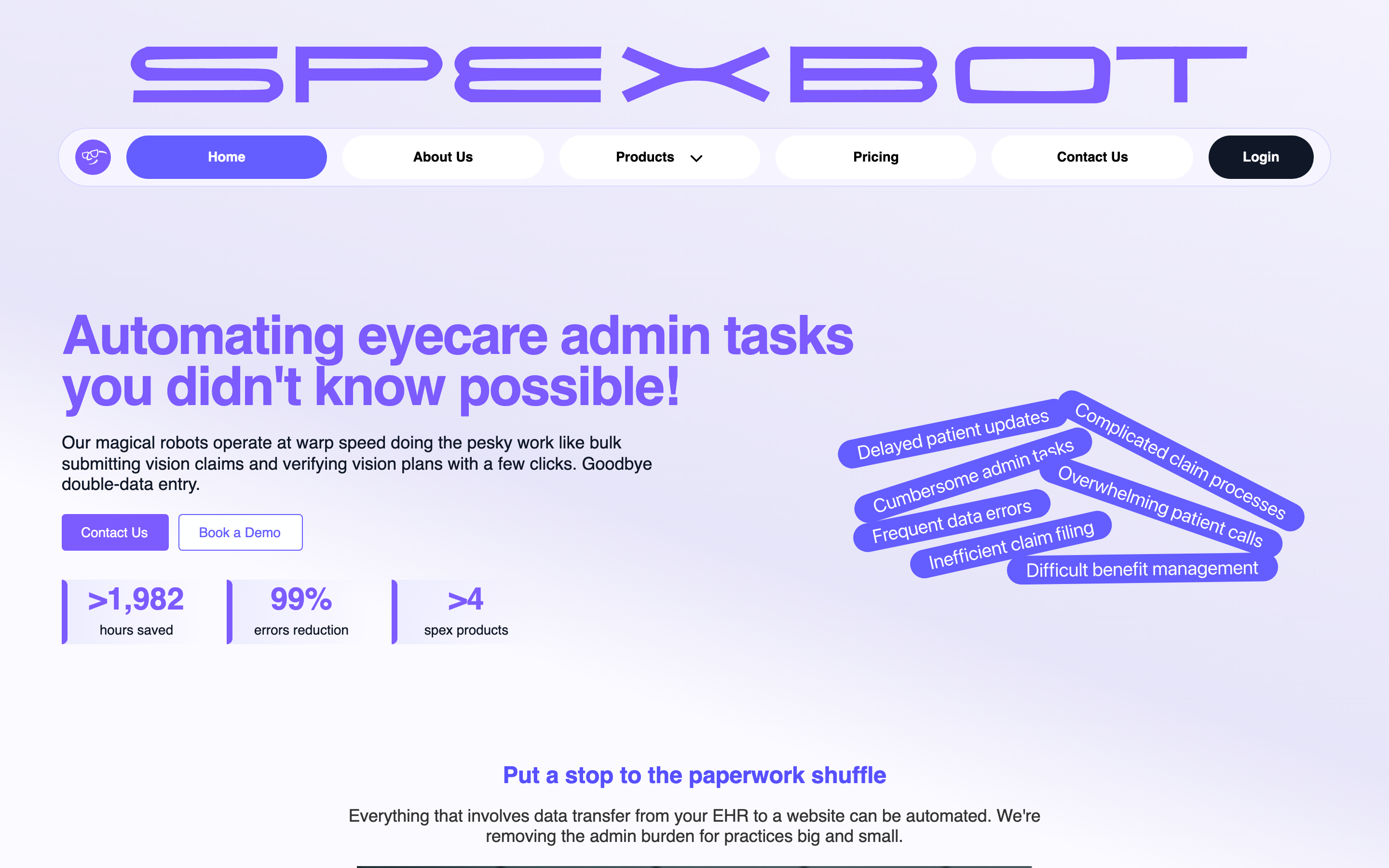
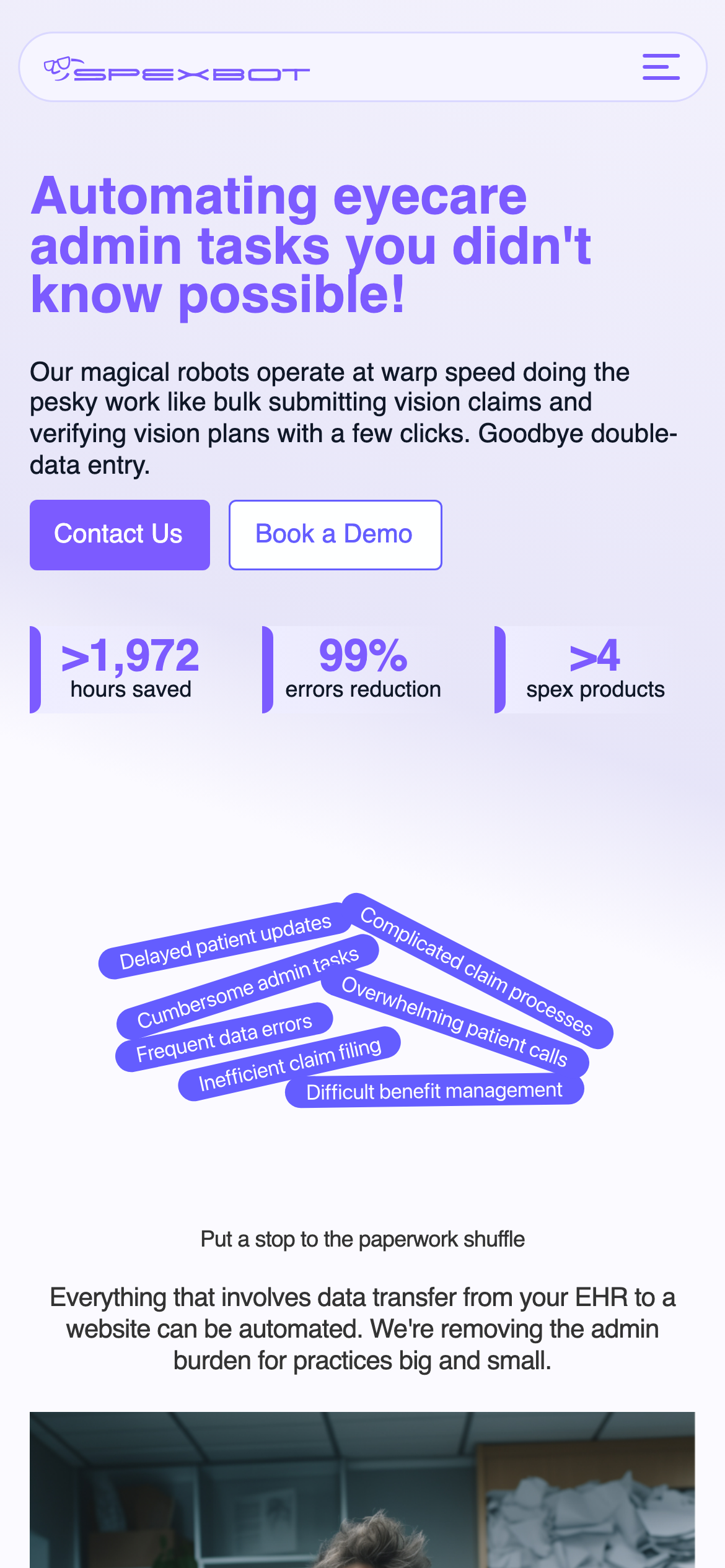
SpexBot is software for eyecare practices that file vision claims and check patient coverage. It connects the practice’s electronic health record (EHR) system to workflows staff would otherwise carry out in insurer portals, including filing VSP claims and looking up vision plan benefits.
SpexBot began with simple Excel spreadsheets. Barq was the technology partner that helped turn that starting point into a production product. The work covered backend and frontend engineering, interface design and quality assurance as the product grew.
It took me over a year to find a quality development team.
The problem
Eyecare staff were already recording patient and claim information in their health record system. To submit a vision claim, they had to enter information from that record again in an insurer portal. Eligibility and benefit checks added a separate round of lookups. SpexBot needed a way to take over those repeated steps and give practices tools they could use both for one patient at a time and for a batch of records. For SpexBot, turning spreadsheets into a product also meant giving office staff a way to submit work and see where it stood. Batch processing would help with the data entry, but the person filing a claim still needed to know its status.
The challenge
Move data between the practice and the insurer
The data that drives a claim already lives in the practice’s health records. The filing workflow needed to start there and carry the relevant data into the insurer’s process, where details such as procedure codes, diagnosis codes and financial data had previously been copied by hand.
Support different tasks within vision coverage
Checking eligibility establishes whether a patient has coverage. Looking up benefits retrieves the details of that coverage, while filing a claim submits information for a service. The product had to support each task as a distinct workflow.
Handle individual requests and bulk work
A staff member might need information on one patient or have a group of records to work through. Benefits lookups needed both modes, and VSP filing needed a batch workflow for eye exams and contact lenses.
How we approached it
Build from the spreadsheet starting point
Barq joined in the early stages. The engineering work focused on moving recurring tasks into software that could use data from the practice’s existing health record system.
Build the practice-facing workflows
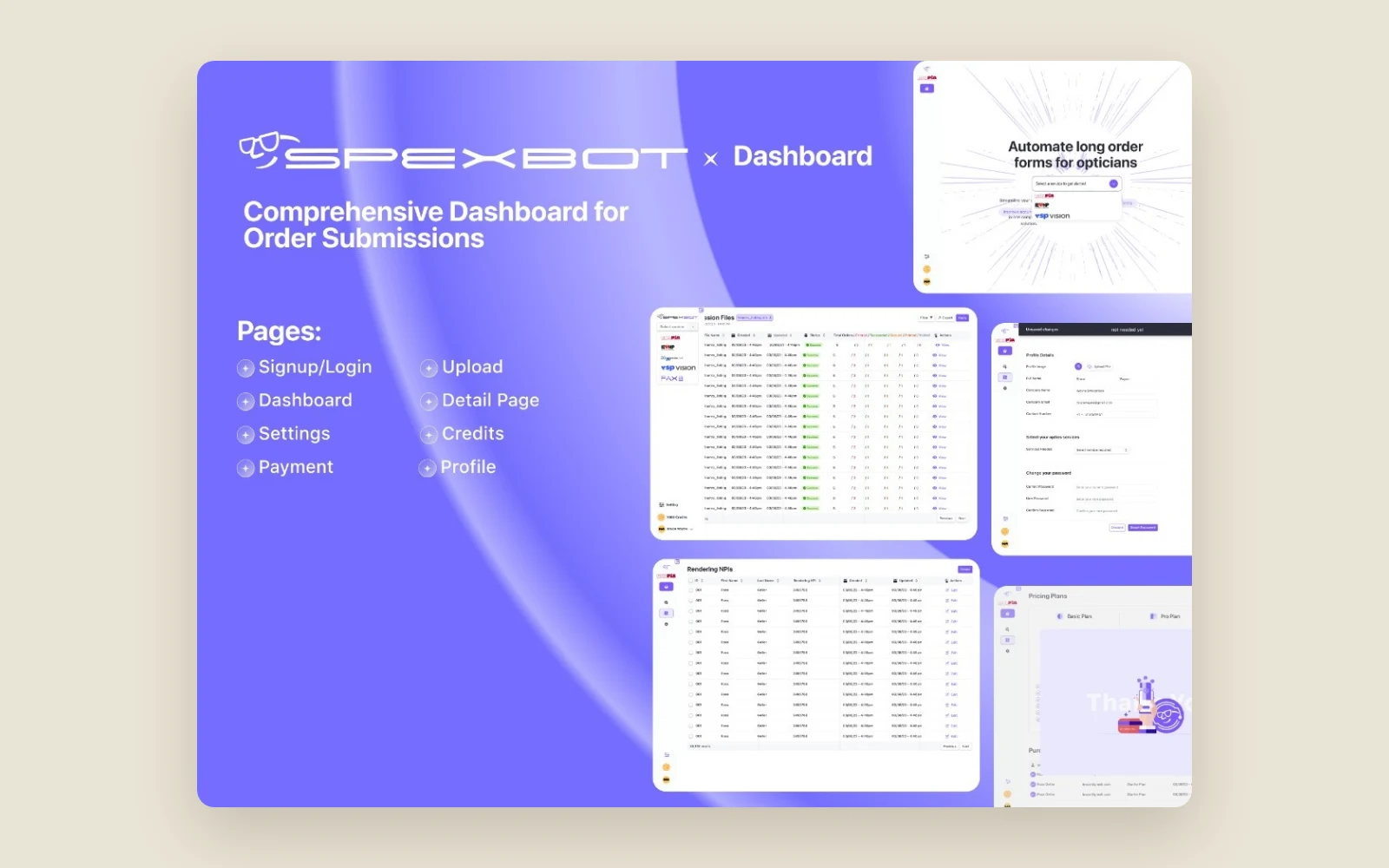
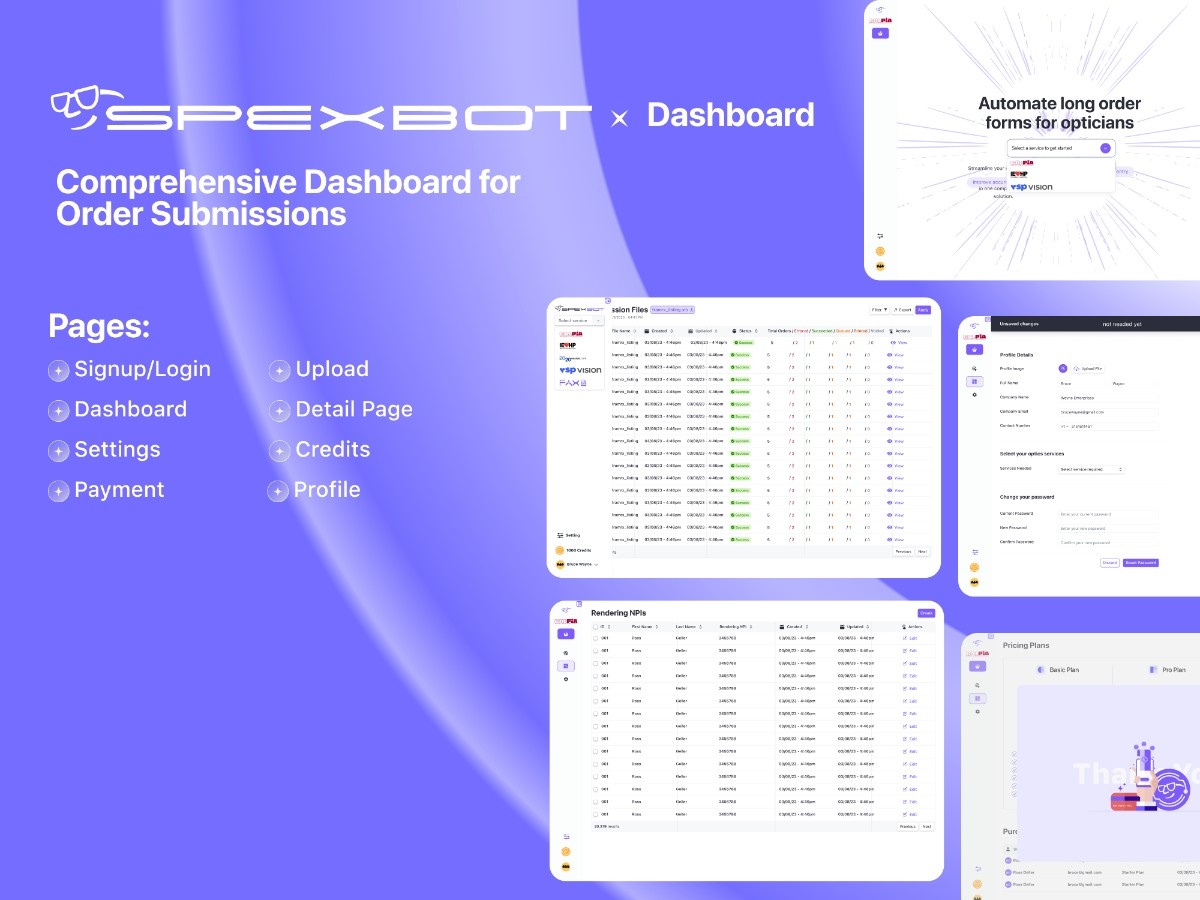
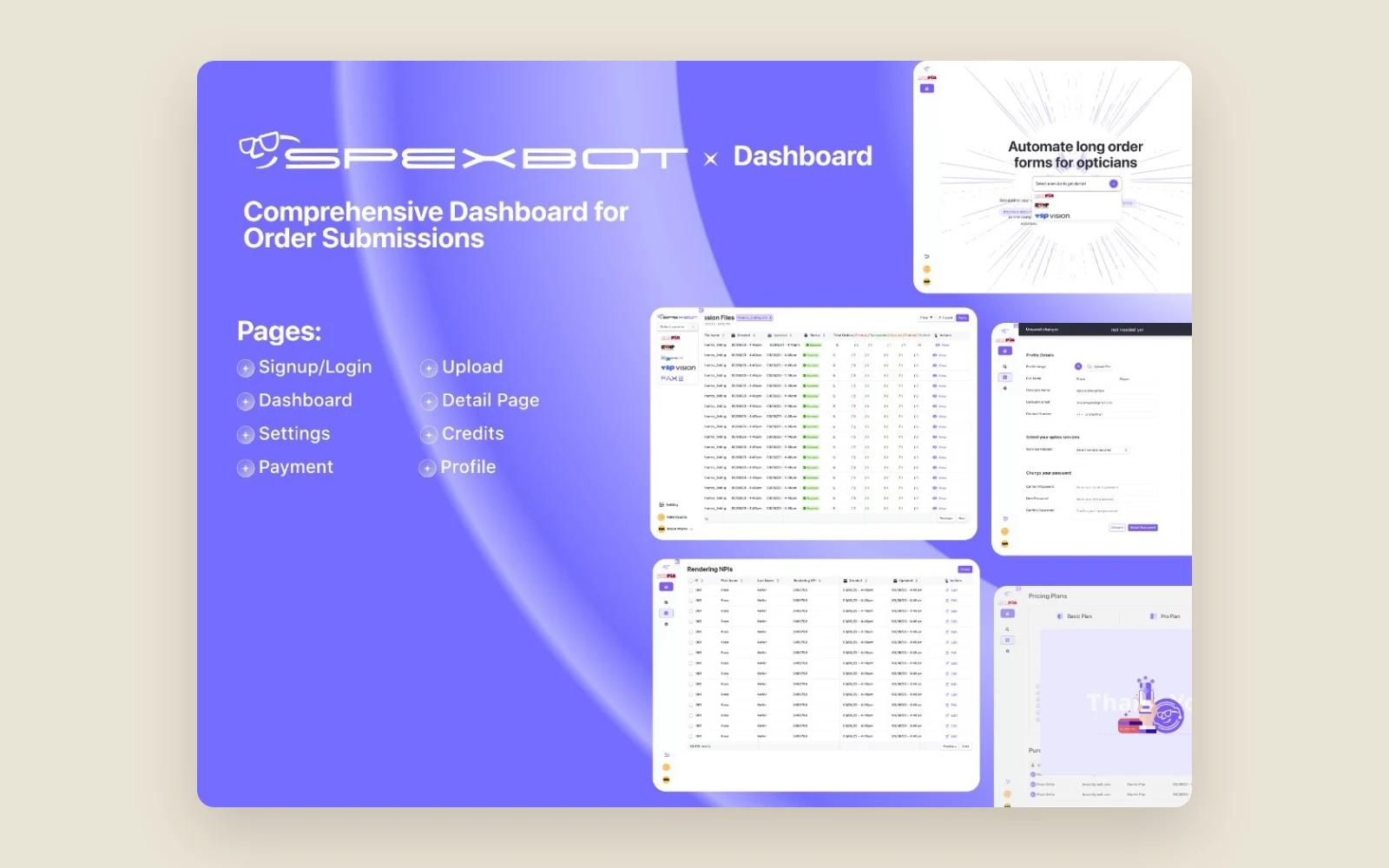
Barq built the dashboard around the steps staff took to submit work. They could select a service, upload submission files and open individual records for more detail.
Take the product into production and iterate
Barq stayed involved through production and scaling. In his separate Upwork review, CEO Perry Brill described multiple versions and singled out the team’s documentation, including the detail available when issues came up.
What we built
Health record integration
SpexBot pulls patient and claim information from the practice’s electronic health records. The claims workflow can start with information the practice has already entered.
Batch VSP claims
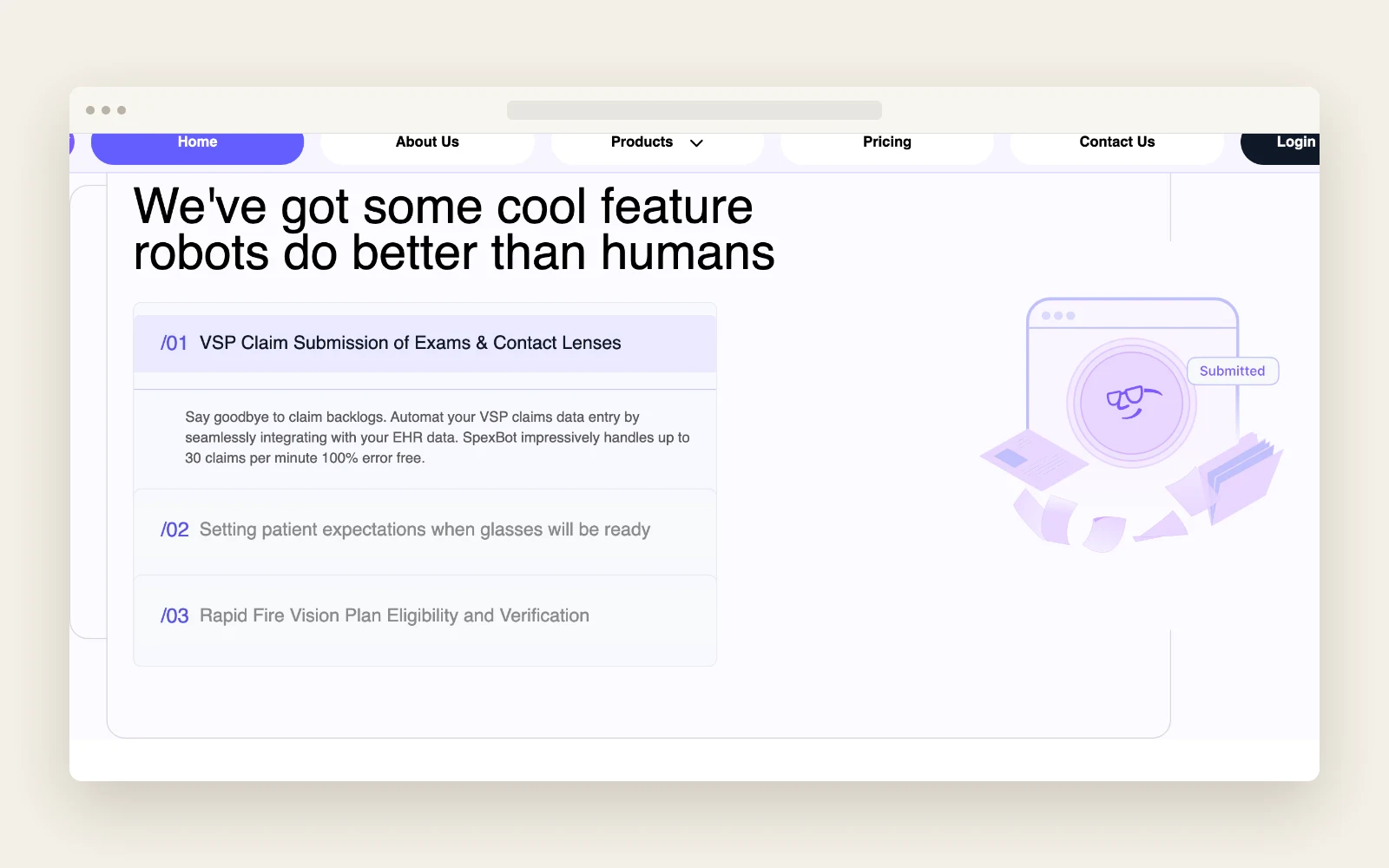
Staff can file VSP claims for eye exams and contact lenses in batches. The automation handles the repeated entry of claim data for those submissions.
Vision plan eligibility checks
Staff can check whether a patient is eligible under a vision plan. Eligibility checks are available separately from claim filing.
Individual and bulk benefit lookups
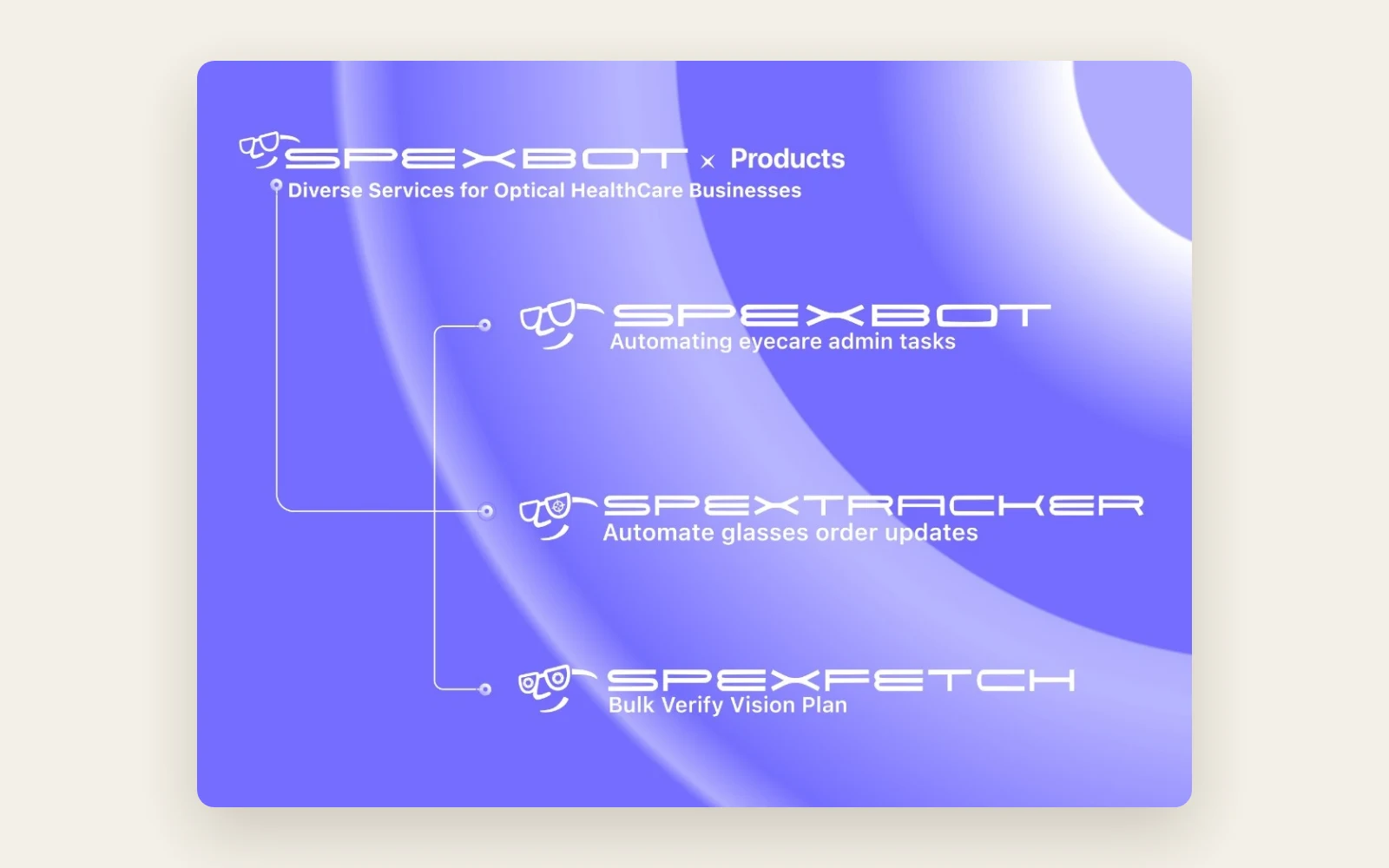
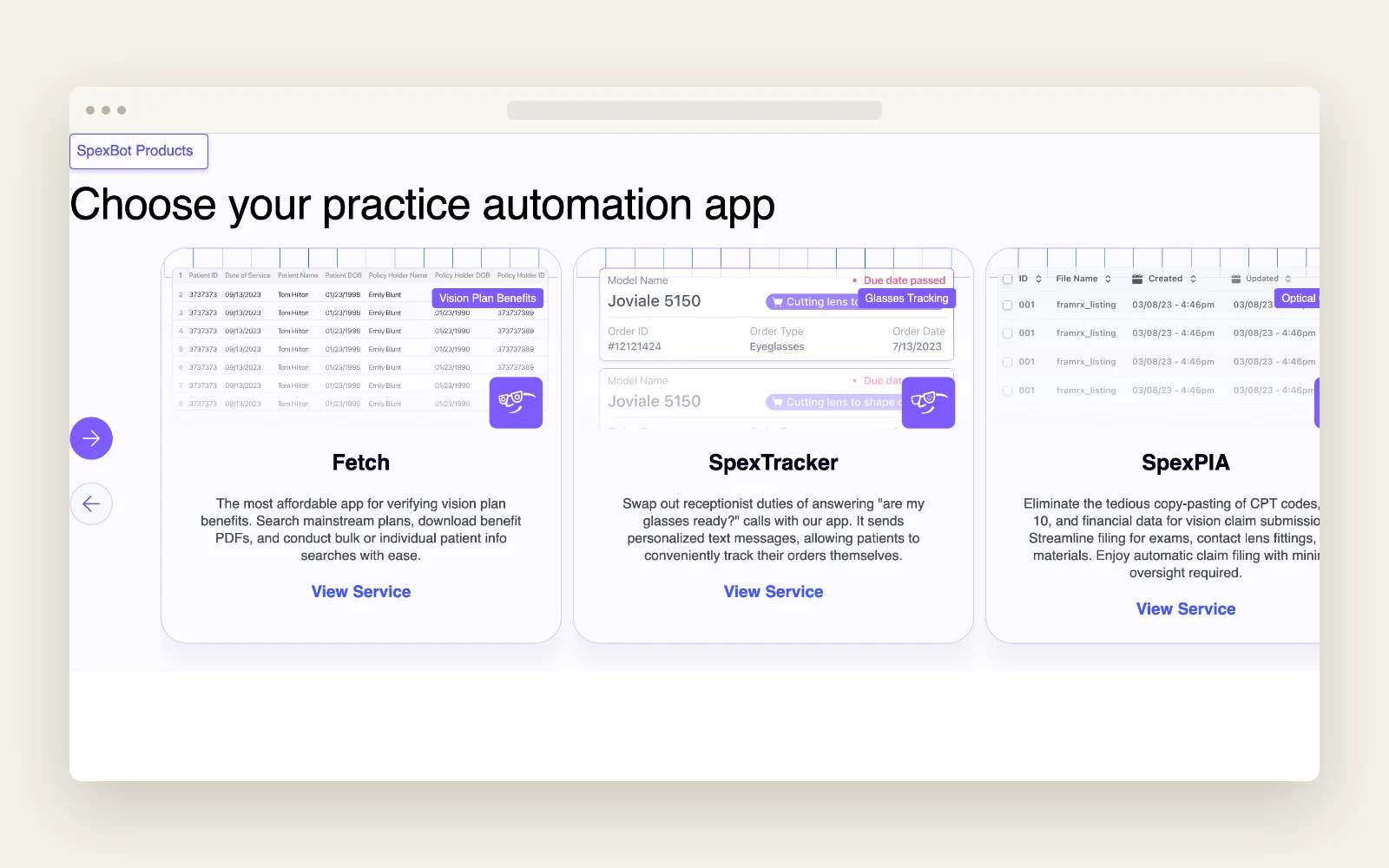
SpexFetch lets staff look up vision plan benefits for an individual patient or submit multiple searches together. The product also offers downloadable benefit PDFs.
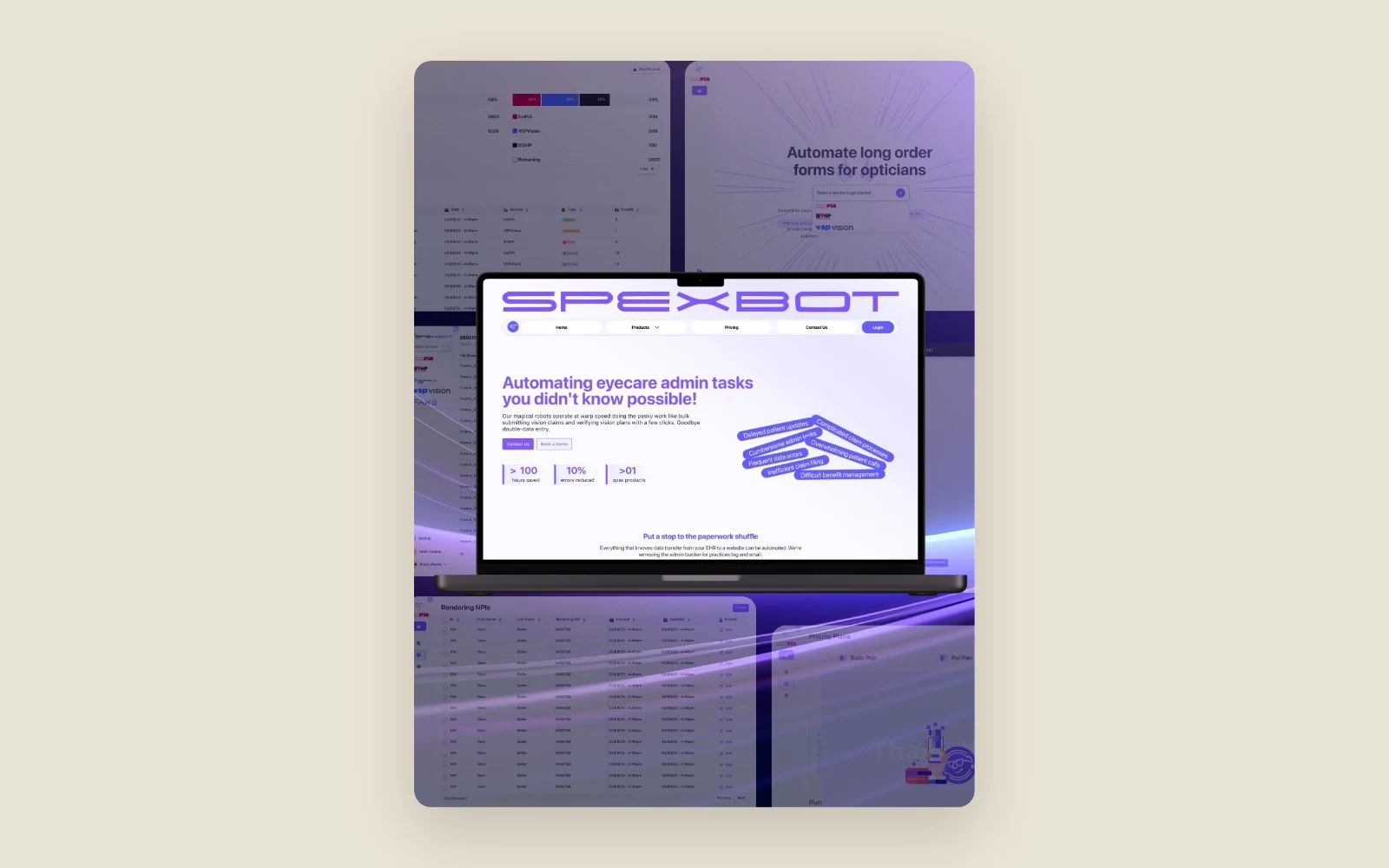
Submission dashboard
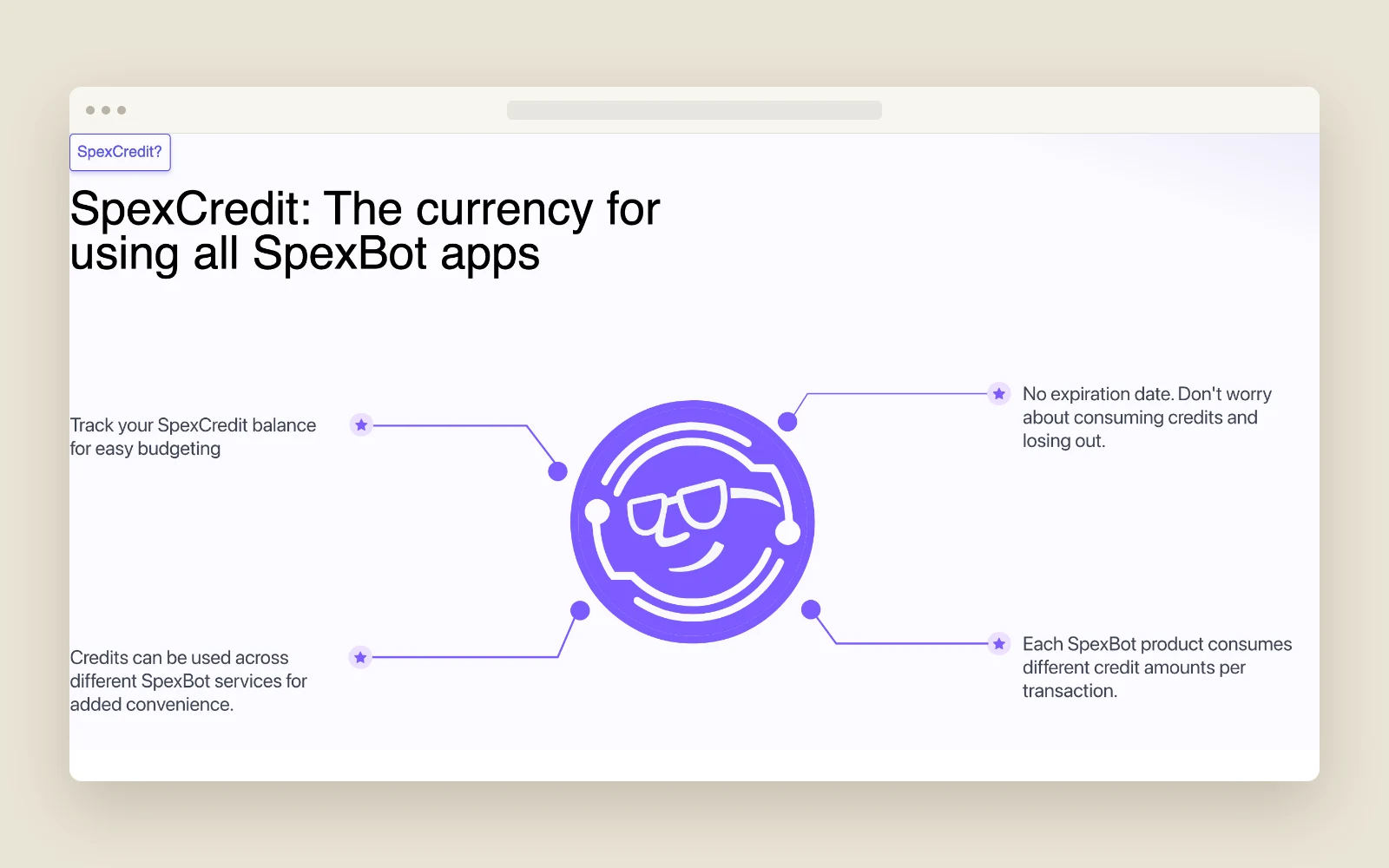
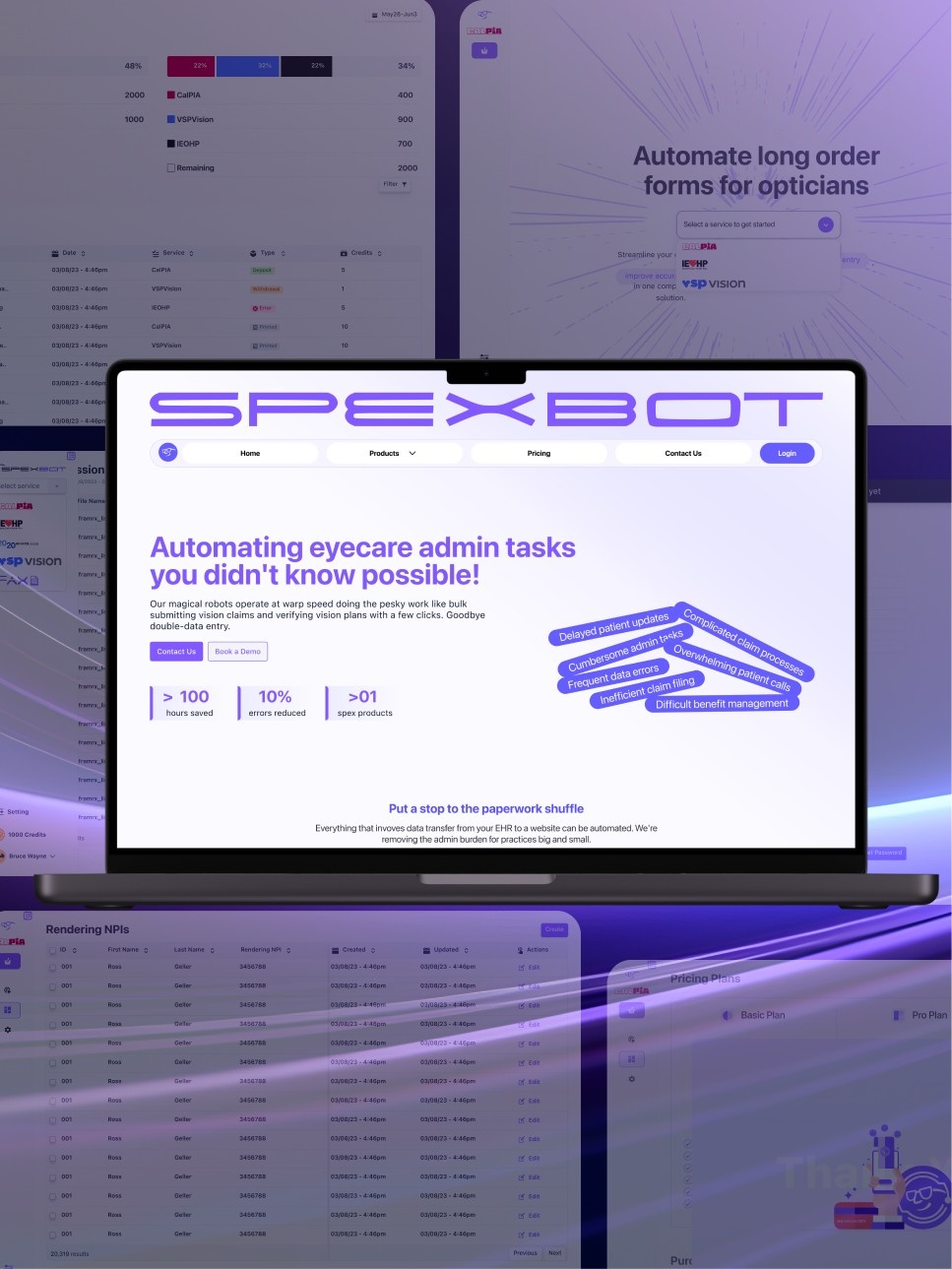
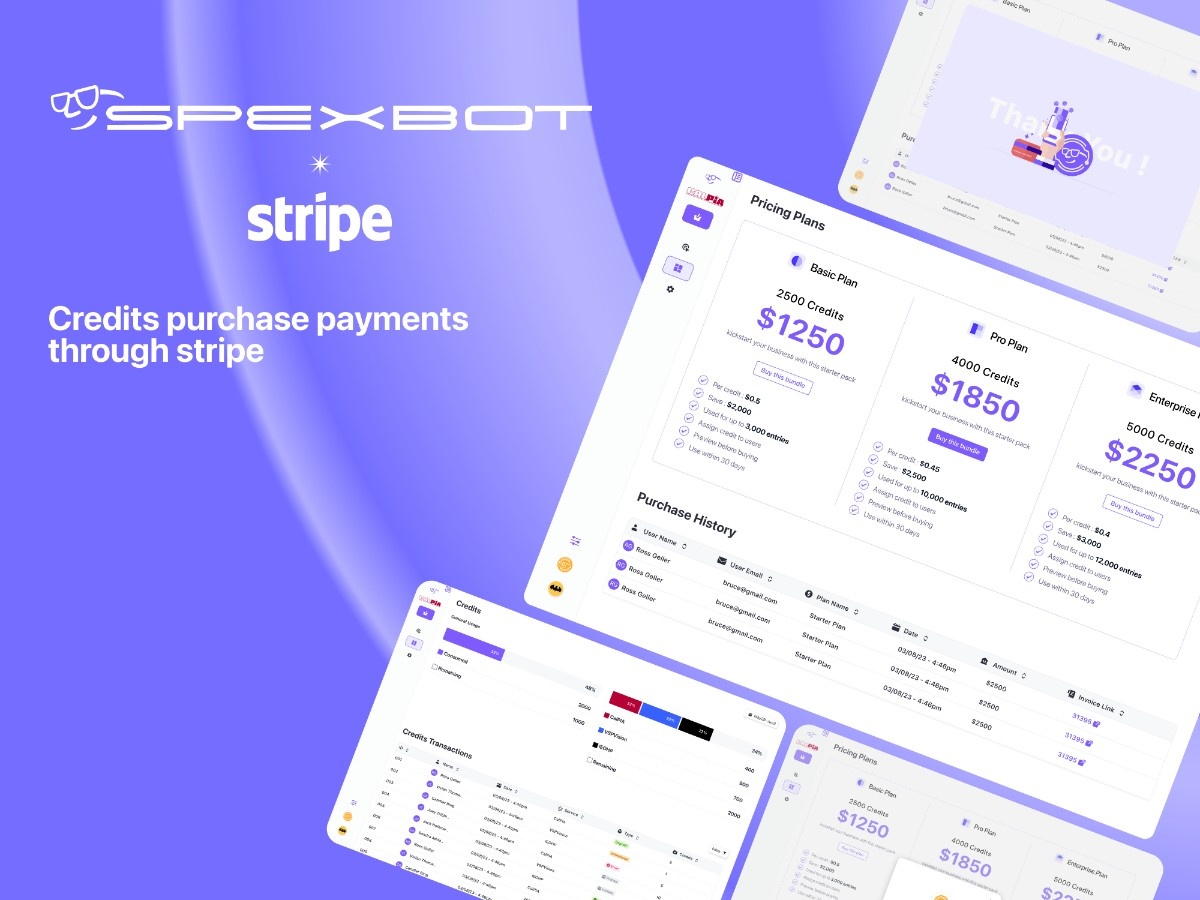
Staff can select a service, upload information and see the status of their submissions. The dashboard also includes account settings and credit screens.
Where AI fits
Claims filing follows the insurer’s submission process, and coverage checks retrieve information from existing records and portals. The practice record and the insurer’s form define the inputs and actions for those tasks. Barq used workflow automation to carry them out.
Results
- SpexBot reached $1 million in annual recurring revenue.
- Barq put claims filing, eligibility checks and benefits verification into production.
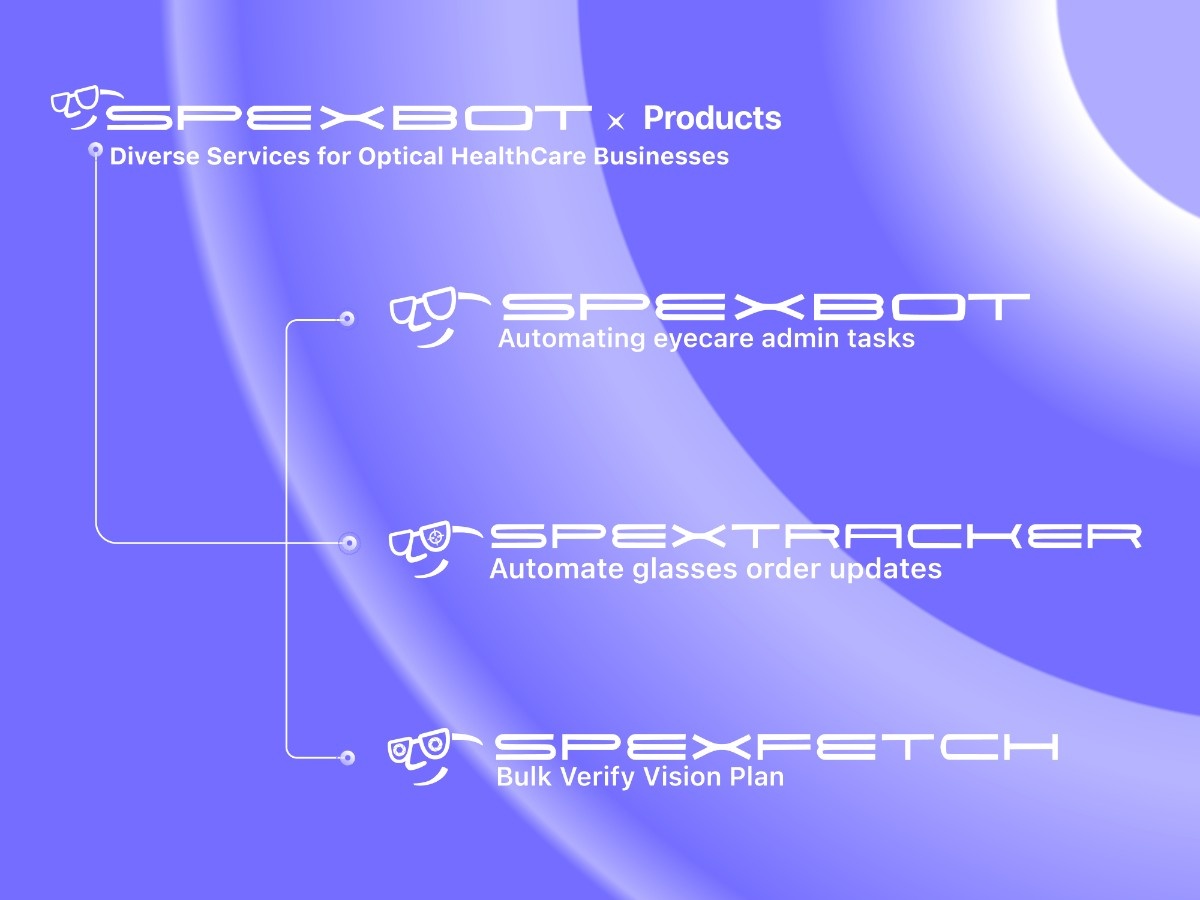
- SpexBot added dedicated products for two different practice needs. SpexFetch handles vision plan benefits and SpexTracker handles eyewear order updates.
Under the hood
The documented stack includes Django and Next.js alongside Selenium and Celery. That brings browser automation and background job processing into the same product staff use to upload information and check submissions.
Tech stack
- Figma
- Django
- Next.js
- Selenium
- Celery
- Redis
- Twilio
- Docker